

Things Not to Do in Cambodia: Your Essential Guide to Respectful and Safe Travel
 By Axel Donovan
| Update on: Jan 05, 2026
By Axel Donovan
| Update on: Jan 05, 2026
Cambodia, the enchanting Kingdom of Wonder, beckons travelers with its magnificent temples, rich cultural heritage, and warm hospitality. However, navigating this beautiful Southeast Asian nation requires cultural awareness and understanding of local customs to ensure your journey is both respectful and trouble-free. As someone who has spent considerable time exploring Cambodia and learning from both locals and fellow travelers, I've compiled this comprehensive guide on things not to do in Cambodia to help you avoid common mistakes and cultural missteps that could diminish your experience.
Understanding what to avoid is just as important as knowing what to do when visiting Cambodia. From religious customs to practical safety concerns, this guide covers everything you need to know about the things not to do in Cambodia that will help you travel responsibly, respect local culture, and stay safe throughout your incredible Cambodian adventure.
 Things Not to Do in Cambodia
Cultural and Religious Mistakes to Avoid
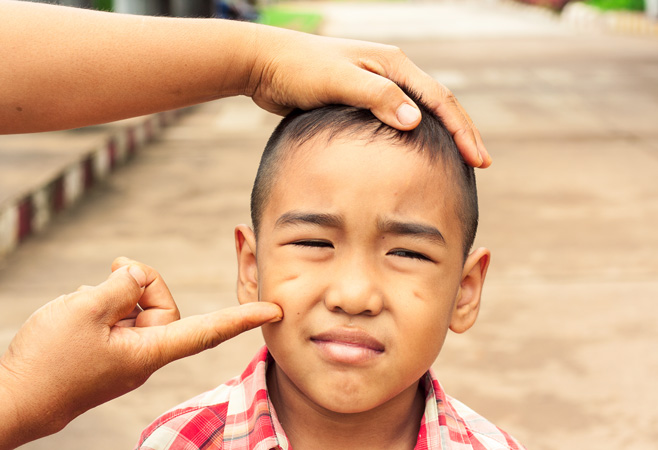
Never Touch Someone's Head
In Cambodian and Buddhist culture, the head is the most sacred part of the body. Please do not touch or pat the heads of people, even children. This is one of the most important cultural taboos to be aware of in Cambodia, especially when interacting with adults and religious figures.
The head is believed to be where the soul resides, making it the holiest part of the body. Touching someone's head, even affectionately patting a child, is considered extremely disrespectful and offensive. This cultural norm applies to all situations, whether you're interacting with locals, monks, or fellow travelers.
If you accidentally touch someone's head, apologize immediately and respectfully. Most Cambodians understand that foreigners may not be aware of this custom, but showing awareness and remorse demonstrates your respect for their culture.
Don't Point Your Feet at People or Buddha Images
The feet are considered the lowest and least clean part of the body. Do not use your feet to point at someone or something, to get the attention of someone, or to push an object to someone. This represents another critical item on the list of things not to do in Cambodia.
When sitting, especially in temples or someone's home, avoid sitting in a way that points the soles of your feet toward people or Buddha images, whether sitting cross-legged or with legs outstretched. Instead, sit slightly sideways on your heels. This traditional sitting position, known as "mermaid style," shows respect and prevents your feet from pointing toward others or sacred objects.
Never use your feet to:
- Move objects across the floor
- Point at someone to get their attention
- Step over people or food
- Touch Buddha statues or religious items
- Indicate directions
Dress Modestly at Temples and Religious Sites
Cambodia's ancient temples, such as the iconic Angkor Wat, are sacred sites that demand respect. What not to wear in Cambodia when visiting temples is revealing clothing. Dress modestly, covering your shoulders and knees. This is among the most important things not to do in Cambodia for temple visitors.
Appropriate temple attire includes:
- Long pants or skirts that cover the knees
- Shirts with sleeves that cover the shoulders
- Loose-fitting, comfortable clothing
- Closed-toe shoes or sandals that you can easily remove
Inappropriate clothing that violates temple dress codes:
- Tank tops, sleeveless shirts, or spaghetti straps
- Short shorts, miniskirts, or revealing skirts
- Tight or transparent clothing
- Clothing with offensive images or language
Many temples provide sarongs or scarves at entrances for visitors who arrive underdressed, but it's more respectful to come properly attired. Remember that these are active places of worship, not just tourist attractions.
Don't Disrespect Buddhist Monks
Buddhist monks are highly revered figures. Disrespecting them is not only one of the things that offend locals in Cambodia but also a cultural taboo. When interacting with monks, avoid touching them or handing them items directly. This prohibition is especially strict for women, who should never make physical contact with monks.
When offering donations or items to monks:
- Place offerings on a table or cloth in front of them
- Allow monks to pick up the items themselves
- Never hand items directly, especially if you're a woman
- Bow respectfully when greeting monks
- Step aside to let monks pass on the walkways
- In religious settings, avoid sitting higher than monks as a sign of respect
- Remove your shoes before entering the monk quarters
Understanding monastic rules demonstrates cultural sensitivity and represents essential knowledge about things not to do in Cambodia when visiting religious sites.
Avoid Public Displays of Affection
One important thing not to do in Cambodia is to show public displays of affection. While hand-holding is increasingly common among young couples in cities, overt displays of affection such as kissing or embracing are still considered inappropriate in many public and traditional settings.
Cambodia remains a conservative society where:
- Romantic kissing in public is considered inappropriate
- Excessive hugging between couples draws uncomfortable attention
- Hand-holding is acceptable in some tourist areas but frowned upon elsewhere
- Intimate behavior should be reserved for private spaces
This cultural norm applies especially in:
- Temple grounds and religious sites
- Traditional markets and local neighborhoods
- Rural villages and community areas
- Government buildings and formal settings
- Schools and educational institutions
While tourist-heavy areas like Pub Street in Siem Reap show more tolerance, maintaining modest behavior throughout your visit shows respect for local values.
 Cultural and Religious Mistakes to Avoid
Behavioral and Etiquette Mistakes
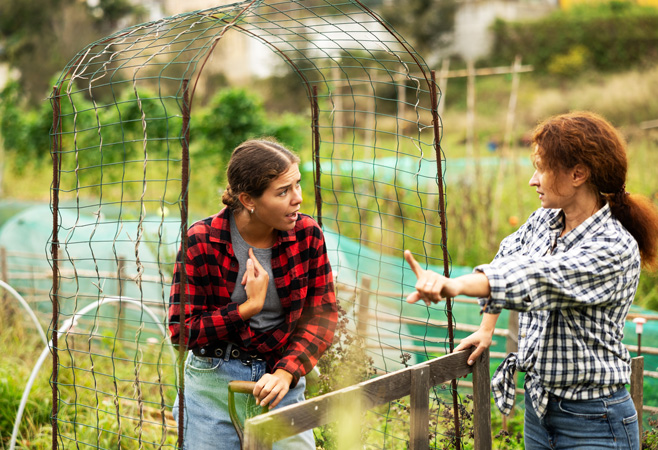
Never Lose Your Temper or Raise Your Voice
One of the things not to do in Cambodia is lose your temper or raise your voice in public. Cambodians value a calm and gentle demeanor, even in the face of frustration. This cultural principle, known as maintaining "face," governs social interactions at every level.
As with other countries in the region, the concept of "face" governs social interaction on every level. You will get things done faster if you go out of your way to make sure that you don't cause someone to lose face.
If problems arise during your travels:
- Remain calm and speak softly
- Smile even when frustrated
- Use patient negotiation rather than aggressive demands
- Allow the other person to maintain dignity
- Accept that some things work differently in Cambodia
Getting angry or shouting will make situations worse, not better. Cambodians may giggle or laugh when embarrassed or uncertain, which isn't mockery but a cultural response to diffuse tension. Responding with patience and humor creates much better outcomes.
Don't Point at People
Pointing is extremely impolite in Cambodian culture. So, never point at someone or a product; use your whole hand instead. When indicating people, objects, or directions, gesture with your entire hand, palm up, rather than pointing with one finger.
This cultural norm extends to:
- Calling waiters or getting attention (wave gently instead)
- Indicating items you want to purchase
- Giving directions to tuk-tuk drivers
- Gesturing during conversations
Using proper gestures demonstrates cultural awareness and prevents unintended offense.
Use Your Right Hand for Important Actions
While not strictly enforced, using your right hand—or both hands—is considered more polite, especially when giving or receiving important items. Cambodians usually eat with their right hand, and their left hand is considered unclean.
The right hand should be used for:
- Giving and receiving money
- Handing over business cards or documents
- Eating meals (when eating with hands)
- Greeting people with the sampeah gesture
- Passing items to others
For particularly important exchanges, using both hands shows extra respect. The left hand can support the right elbow as a gesture of deference when giving or receiving something from someone older or in a position of authority.
 Behavioral and Etiquette Mistakes
Tourist Trap and Scam Awareness
Avoid Unethical Elephant Riding
Elephant rides, though popular among tourists, are one of the things to avoid in Cambodia as a tourist. These majestic creatures are often subjected to cruel training methods and poor living conditions to make them submissive for rides.
The elephant tourism industry often involves:
- Brutal training methods called "the crush."
- Chaining elephants for extended periods
- Inadequate food and veterinary care
- Physical abuse to maintain control
- Separation of baby elephants from their mothers
Instead of elephant rides, consider:
- Visiting ethical elephant sanctuaries
- Observing elephants in natural settings
- Supporting conservation organizations
- Educating others about ethical wildlife tourism
By avoiding elephant rides, you help reduce demand for this cruel practice while supporting more humane alternatives.
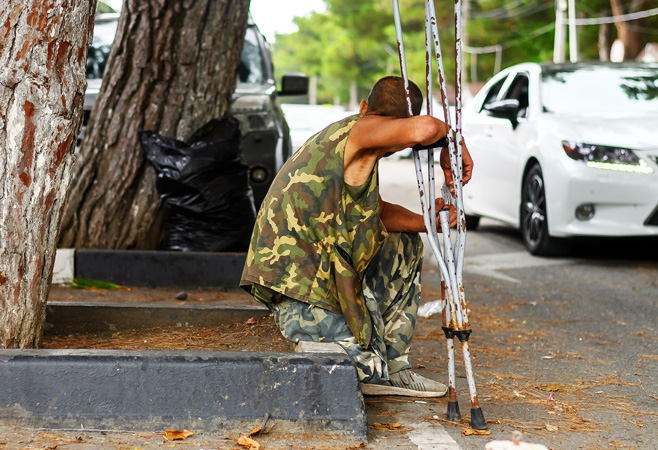
Don't Fall for Beggar Scams
Multiple international organizations, including UNICEF and ChildSafe, have reported that many children in these facilities are not actually orphans. Professional begging rings, particularly involving children, represent serious exploitation issues.
Common beggar scams include:
- Women with "rented" babies asking for baby formula money
- Children selling books or bracelets during school hours
- Organized groups of child beggars working for adults
- Fake orphanages soliciting donations
Once you're out of sight, the woman will immediately take the formula back into the shop and effectively sell it back to them, pocketing the cash.
Instead of giving money directly:
- Donate to reputable NGOs working in Cambodia
- Support legitimate social enterprises
- Buy products from fair-trade organizations
- Volunteer with verified charitable organizations
This approach ensures your generosity actually helps those in need rather than perpetuating exploitation.
Beware of Border Crossing Scams
When waiting in the queue to speak to the Cambodian immigration authorities about obtaining a visa, there is the risk of being approached by individuals who claim to be real Cambodian immigration officials. Visa overcharging is the most frequently reported scam.
Common border scams include:
- Fake officials offering to expedite visa processing for fees
- Overcharging for visas (demanding Thai baht instead of US dollars)
- Charging for "medical checks" or unnecessary documentation
- Demanding unofficial "stamp fees" or "processing fees."
At the Poipet and Koh Kong border crossings, the officials will insist that you pay the visa in Thai baht instead of US dollars and will ask you for 1200-1500 baht for a tourist visa (around US$40). There are signs clearly stating that the cost is US$30.
Protect yourself by:
- Applying for your eVisa online before arrival through the Cambodia Immigration Services
- Knowing the official visa costs in advance
- Politely but firmly refusing unofficial fees
- Asking for official receipts
- Reporting serious extortion attempts
For travelers planning multi-country itineraries, you can also apply for a Cambodia eVisa through the same platform for seamless travel planning.
 Tourist Trap and Scam Awareness
Don't Rent Motorcycles Without Precautions
Once you rent the bike, someone follows you around for a few days and steals the bike when you leave it unattended. Although a bike lock will be provided when you rent, guess who has a copy of the keys for that and the bike? The rental agency.
Motorcycle rental scams involve:
- Rental agencies are stealing their own bikes back
- Demanding replacement costs (often $1,000+)
- Holding passports as collateral
- Creating fake damage claims
- Corrupt police stop targeting foreign riders
If you must rent a motorcycle:
- Use only reputable rental companies with verified reviews
- Bring your own padlock and use it
- Never leave your passport as a deposit (leave a copy instead)
- Take extensive photos before accepting the bike
- Obtain proper international driving permits
- Understand local traffic laws and fines
- Wear helmets always (it's the law and for safety)
Petty corruption can still occur in traffic enforcement, particularly involving foreign riders, so it’s best to understand local laws and remain calm and respectful if stopped. They will pull you over and continue to come up with reasons you should be "fined" until you give them money. Know that legitimate traffic fines are around $2, not $10-15 as corrupt officers might claim.
Health and Safety Precautions
Never Drink Tap Water
When it comes to what not to do in Cambodia, drinking tap water tops the list. Cambodia's tap water is not safe for consumption due to contamination risks and lack of proper water treatment in many areas.
Waterborne risks include:
- Bacterial infections causing traveler's diarrhea
- Parasites like Giardia
- Chemical contamination
- Typhoid and hepatitis A
Always:
- Drink only bottled or filtered water
- Check bottle seals before purchasing
- Avoid ice in drinks unless at reputable establishments
- In rural areas or budget accommodations, some travelers prefer using bottled water for brushing their teeth
- Eat fruits you can peel yourself
- Avoid pre-cut fruit from street vendors
Carry a reusable water bottle with a built-in filter for eco-friendly hydration throughout your travels. This represents one of the most important things not to do in Cambodia for maintaining health.
Don't Wander into Unmarked Areas
While it's true that UXO (unexploded ordnance) still exists in some remote provinces, tourist zones are safe and thoroughly cleared. Stick to marked paths when visiting ancient temples or rural ruins. Avoid hiking solo in isolated forest regions unless with a certified guide.
Cambodia remains one of the world's most heavily landmined countries, with dangerous areas including:
- Rural border regions
- Remote forested areas
- Off-trail locations near ancient ruins
- Agricultural fields in some provinces
Stay safe by:
- Staying on marked paths and established trails
- Hiring certified guides for rural exploration
- Heeding warning signs about mines
- Visiting the Cambodian Landmine Museum to learn more
- Supporting mine-clearing organizations
This critical safety measure should never be overlooked when exploring Cambodia's countryside.
Avoid Unprotected Sun Exposure
The tropical Cambodian sun is intense and can cause serious sunburn, heat exhaustion, and long-term skin damage. Many travelers underestimate how strong the sun feels, especially when exploring open temple complexes like Angkor Wat.
Protect yourself by:
- Applying high-SPF sunscreen regularly
- Wearing wide-brimmed hats
- Using UV-protective clothing
- Seeking shade during peak sun hours (11 am-3 pm)
- Staying hydrated constantly
- Carrying an umbrella for sun protection
Heat-related illness can ruin your trip, so taking sun protection seriously is essential, especially during the hot season (March-May).
 Health and Safety Precautions
Photography and Social Media Mistakes
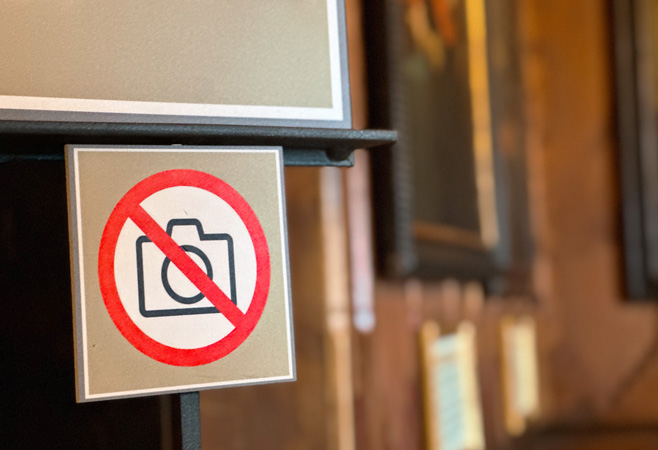
Don't Take Photos Without Permission
Visitors should always ask for permission before photographing others, particularly monks or residents. When taking photos in temples, it is important to remain discreet and respectful. Avoid being showy or using images purely for personal gain without considering the spiritual significance of the place.
Photography etiquette includes:
- Always ask permission before photographing people
- Respecting when someone declines being photographed
- Never photographing monks without explicit permission
- Avoiding photos in restricted temple areas
- Not climbing on ancient ruins for "Instagram shots."
- Respecting photography prohibitions at sacred sites
- Being discreet during religious ceremonies
Additionally, some temples or cultural sites may completely prohibit photography. Look for signs and follow all photography rules.
Avoid Disrespectful Temple Photos
Avoid posing disrespectfully with Buddha statues, such as climbing on them, sitting higher than the statue, or making inappropriate gestures. This shows profound disrespect to Buddhist beliefs and offends local sensibilities. Similarly, avoid:
- Posing inappropriately with religious statues
- Making silly faces or gestures near sacred objects
- Wearing revealing clothing for temple photos
- Creating social media content that mocks religious practices
- Sharing photos that misrepresent Cambodian culture
Remember that what seems like harmless fun to you might deeply offend the local community and disrespect their religious beliefs.
 Photography and Social Media Mistakes
Additional Important Things to Avoid
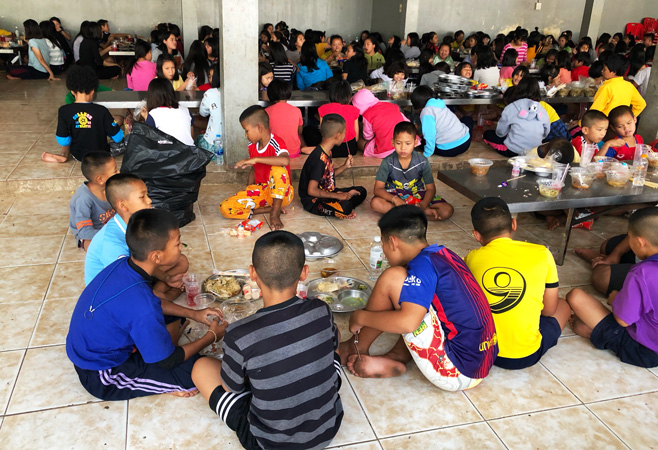
Don't Participate in Fake Orphanage Volunteering
Many people don't realize that in Cambodia, you can do volunteer work in "orphanages" everywhere. Most of these orphanages are not real orphanages but are set up purely to make money from Western volunteers. They take children from the countryside who often aren't orphans at all.
The orphanage tourism industry:
- Exploits children for profit
- Separates children from their families unnecessarily
- Creates dependency on foreign donations
- Lacks proper safeguards and screening
- Perpetuates harmful narratives
If you have less than a month, especially avoid volunteering with children. Children need long-term relationships with trained caregivers and teachers.
Instead, support reputable NGOs recommended by organizations like UNICEF or ChildSafe.
Avoid Carrying Single Currency
Anything that costs more than $1 is to be paid in dollars, and that makes it necessary to carry US dollars, while the change of less than $1 is returned in Riel. So, carry both currencies at all times.
Cambodia operates on a dual currency system where:
- US dollars are widely accepted and preferred
- Cambodian riel is used for change under $1
- Some vendors only accept dollars
- ATMs typically dispense US dollars
- Riel is difficult to exchange outside Cambodia
Carry small denominations of US dollars ($1, $5, $10, $20) for easier transactions and to avoid change issues.
Don't Neglect Your Hotel Safe
Foreign governments warn that theft from Cambodian hotel rooms is very common. Some of these hotels also have notices that state if you don't use the safe, and your belongings go missing, the property is not responsible.
Hotel security practices:
- Always use the in-room safe for valuables
- Keep passport, cash, and electronics locked up
- Don't leave valuables visible in your room
- Use luggage locks for extra security
- Report suspicious activity to hotel management
Taking these precautions represents basic travel safety that prevents most theft opportunities.
 Additional Important Things to Avoid
Conclusion: Traveling Respectfully in Cambodia
Understanding things not to do in Cambodia is essential for experiencing this beautiful country respectfully and safely. From respecting Buddhist customs and maintaining cultural sensitivity to avoiding common scams and staying safe, this knowledge enhances your journey while honoring Cambodian traditions and protecting yourself from negative experiences.
Remember that most Cambodians are extraordinarily welcoming and forgiving of cultural mistakes, especially when travelers show genuine interest in learning and respecting local customs. A smile, patience, and a humble approach go far in navigating any situation you encounter.
Before your journey begins, ensure you have all necessary travel documentation secured. Cambodia Immigration Services streamlines the visa process, allowing you to focus on planning cultural experiences rather than worrying about entry requirements. Their professional team ensures your application meets all standards while providing expert guidance throughout the process.
By avoiding the things not to do in Cambodia outlined in this guide, you'll create meaningful connections with locals, experience authentic Cambodian culture, and return home with incredible memories of the Kingdom of Wonder. Respectful travel enriches both your experience and the communities you visit, creating positive impacts that extend far beyond your time in Cambodia.
Travel mindfully, respect deeply, and embrace the extraordinary beauty and warmth that Cambodia offers to those who approach it with open hearts and cultural awareness.
Related Articles
- Getting Around Cambodia: A Guide to Transportation, Buses, Trains and Flights
- Is Cambodia Safe for Families? A Complete Family Travel Safety Guide
- Cambodia eSIM: Everything You Need to Know Before Your Trip
- Cambodia e-Arrival Card: Complete Information for Foreign Visitors

 NEED HELP 24/7
 United States
  United Kingdom
  Singapore
  Viber
Viber 


