

Things to Do in Ratanakiri: Your Ultimate Guide to Cambodia's Ecotourism Paradise
 By Axel Donovan
| Update on: Jan 20, 2026
By Axel Donovan
| Update on: Jan 20, 2026
Ratanakiri Province, nestled in Cambodia's remote northeastern highlands, stands as one of the country's most pristine and captivating destinations for nature lovers and adventure seekers. As someone who has explored this wild frontier extensively, I can confidently say there are extraordinary things to do in Ratanakiri that showcase Cambodia's natural beauty at its most unspoiled. Located in the remote northeast of Cambodia, Ratanakiri is increasingly recognized as one of Cambodia’s most important destinations for ecotourism and nature-based travel. Unlike Cambodia’s famous temple regions, Ratanakiri is not known for monumental ancient architecture, but instead for its outstanding natural landscapes and indigenous cultures.
Framed by the Mekong River to the west, Vietnam to the east, Laos to the north and Mondulkiri to the south, Ratanakiri province extends from the mountains of the Annamite Range in the north, across a hilly plateau between the Tonle San and Tonle Srepok rivers, to tropical deciduous forests in the south. The things to do in Ratanakiri encompass spectacular waterfalls, pristine volcanic lakes, vast national parks, and encounters with indigenous Khmer Loeu communities maintaining centuries-old traditions. Let me guide you through this remarkable wilderness and reveal why Ratanakiri deserves recognition as Cambodia's premier ecotourism destination.
- Yeak Laom Volcanic Lake: The Crown Jewel
- Spectacular Waterfalls: Nature's Power on Display
- Virachey National Park: Wilderness Exploration
- Indigenous Culture and Village Visits
- Additional Natural Attractions
- Practical Travel Information
- Sustainable Tourism and Conservation
- Conclusion: Embracing Cambodia's Wild Heart
 Things to Do in Ratanakiri
Yeak Laom Volcanic Lake: The Crown Jewel
A Perfect Natural Wonder
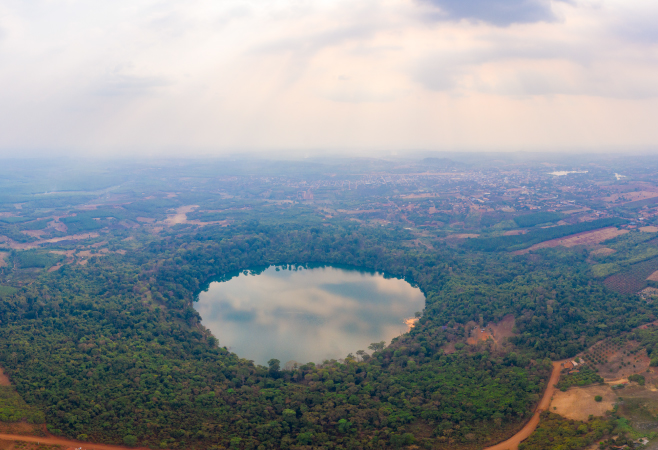
Yeak Laom Lake is a stunning, perfectly circular volcanic crater lake formed by an eruption approximately 4,000 years ago, making it one of Ratanakiri’s most remarkable natural landmarks. This stunning is one of the most mesmerizing things to do in Ratanakiri for travelers seeking natural beauty combined with cultural significance.
The lake reaches a depth of around 50 meters at its center and has a diameter of approximately 800 meters, with a well-maintained walking path circling the shoreline, Yeak Laom Lake is suitable for swimming, hiking and enjoying a panorama of the surrounding flora and fauna. The shores of this lake form an almost perfect circle. The water of this lake is crystal clear and is suitable for swimming, with visibility extending several meters beneath the surface.
Cultural and Spiritual Significance
The lake and its surrounding area are considered sacred by the ethnic minorities who inhabit the Ratanakiri Province. Local indigenous communities consider the lake sacred, believing it to be protected by ancestral spirits according to long-held animist traditions. This is also a place of worship for hill tribes and handicrafts made by hill tribes living nearby for sale, providing opportunities for authentic cultural exchanges.
Set in beautiful greenery, Yak Loum Crater Lake is an ideal destination for picnics and swimming. The best time to visit this spot is during or shortly after the rainy season, when exotic birds and butterflies are common sights. Early morning visits offer the most tranquil experiences, with mist rising from the water and birds singing in surrounding forests.
 Yeak Laom Volcanic Lake: The Crown Jewel
Spectacular Waterfalls: Nature's Power on Display
Cha Ong Waterfall: The Most Popular
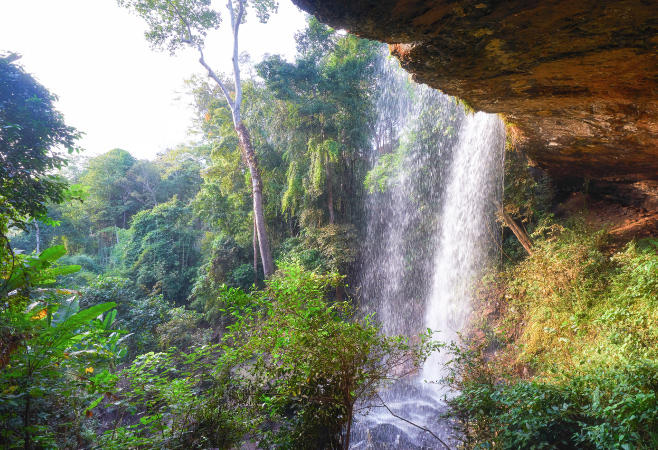
The Cha Ong waterfall is about 8.7km from Ban Lung, near Cha Ong village. It's the most visited of the waterfalls around Ban Lung and probably a favorite among travelers exploring Ratanakiri things to do. Cha Ong Waterfalls are among the largest waterfalls near the provincial capital, with an overhang of about twenty meters.
The waterfall gets its water from Phnom Eysei Patamak or Phnom Svay near Ban Luong provincial town from its upper level, the water flows from a small canal before dropping 25 meters to a lower level. Once you reach the waterfall, descend down the slope and you will find a small cave behind the waterfall from where you can observe the waterfall and the green forest. This unique perspective creates photo opportunities unlike any other waterfall experience.
Kachanh (Ka Tieng) Waterfall: Accessible Beauty
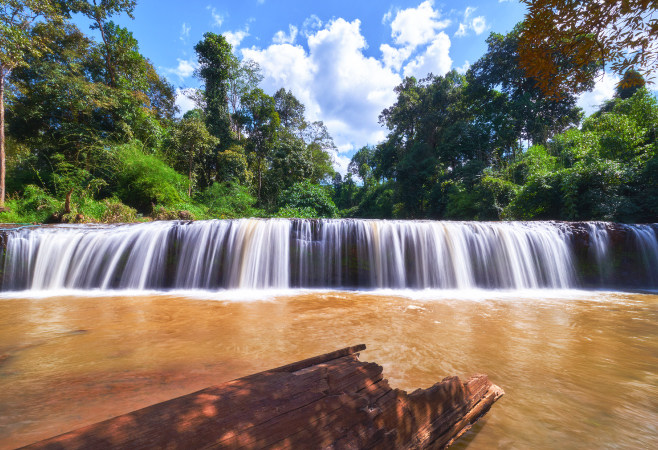
Kachanh Waterfall is just a 6km-drive from provincial capital Banlung, and close to the Katieng waterfall, making it one of the most accessible things to do in Ratanakiri for travelers with limited time. This waterfall is located in the Kachanh area, with a height of about 12 meters.
It flows endlessly along the Kantoeng Stream to the Sre Pork River in Lomphat District. You can get access to the bottom of the stream by a wooden stair having about 72 steps. Many small and big trees of cashew and rubber surround this waterfall, casting cool shadows over tourists for picnicking. You will also find plenty of hammocks to chill out, creating a relaxed atmosphere perfect for extended visits.
The falls are fed by local streams and feature rock shelves and a semi-circular pool at the base that is often suitable for paddling or swimming in the dry season. The surrounding forest and rock formations make it an excellent half-day or full-day escape from town.
Ou Sean Lair (7 Steps Waterfall): The Remote Wonder
Sean Lae Waterfall is the furthest from Ban Lung but you won't regret the 26km hike on a red dirt track lined with rubber plantations. This Waterfall has 4 floors and the height of each floor is 4 m. The water flows throughout the year, making it reliable for visits regardless of season.
Around the Waterfall are beautiful natural landscapes and the visitors can go take a bath if they wish. Ou Sean Lair Waterfall is one of the popular waterfalls of this area and can be counted among the top tourist attractions in Ratanakiri. This waterfall has kept its secrets well hidden in the jungle until only recently; the road conditions have improved sufficiently to enable the adventurous to experience this wonder natural waterfall during the dry season.
Sean Lae Falls is stunning just after the rainy season when it is swollen with water, creating dramatic cascades that justify the challenging journey to reach it.
 Spectacular Waterfalls: Nature's Power on Display
Virachey National Park: Wilderness Exploration
Cambodia's Largest Protected Area
Situated 45 km north of Banlung, Virachey National Park has a total land area of 332,500 ha, making it the largest national park in Cambodia. This vast wilderness is so extensive that its natural riches have not all been recorded, creating a destination for serious wilderness enthusiasts among things to do in Ratanakiri.
There's a great diversity of plants and trees in the forest, as well as different kinds of animals and birds. The park offers a range of outdoor activities and stunning natural landscapes, from challenging multi-day treks to shorter day hikes accessible to most fitness levels.
Wildlife and Biodiversity
Wildlife watching represents one of the park's major attractions, with opportunities to spot a variety of wildlife species, including gibbons, elephants, and rare birds. The park's rich biodiversity makes it a haven for nature enthusiasts and wildlife photographers willing to trek deep into protected areas.
Trekking and hiking through the park's dense forests and scenic trails provides thrilling adventures for outdoor enthusiasts. The challenging terrain and the breathtaking views reward those who venture beyond easily accessible areas. Multi-day treks with local guides explore remote areas where few tourists venture, creating authentic wilderness experiences.
Cultural Interactions
Cultural interaction with the local indigenous communities who live within the park adds cultural dimensions to nature exploration. Their traditional knowledge and practices offer valuable insights into the region's cultural heritage and sustainable forest use practices maintained for generations.
 Virachey National Park: Wilderness Exploration
Indigenous Culture and Village Visits
The Khmer Loeu Communities
For over a millennium, Ratanakiri has been occupied by the Khmer Loeu (Highland Khmer) people. Sparsely populated, the provinces of Ratanakiri and Mondolkiri are home to a dozen ethnic groups from the Khmer Loeu who live grouped in villages. The Jarai, Tompuon, Brau and Kreung are the Khmer Leu, with their own languages, traditions and customs.
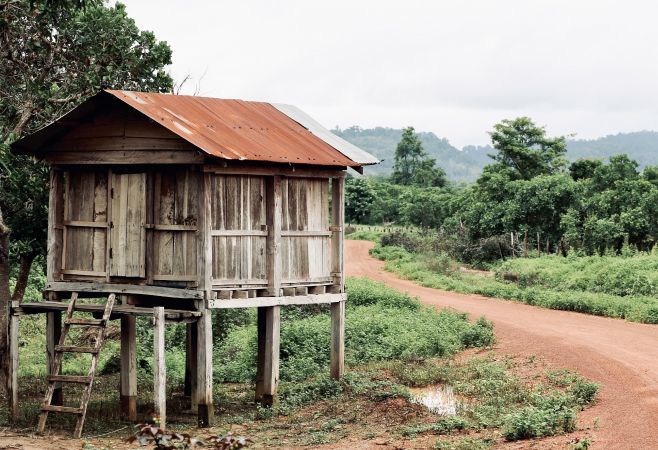
Some communities continue to observe traditional animist ceremonies, which historically included animal sacrifices performed on important ritual occasions. The Khmer Loeu maintain a traditional habitat made of wood and bamboo in the form of communal long houses or individual round huts that are often on stilts.
Kroeung Village Experience
Do not miss discovering a Kroeung village which is distinguished by its unique architecture of its bachelors' houses, small huts perched on long bamboo where young people of marriageable age live until they find their spouse. This fascinating cultural practice provides insights into traditional courtship customs maintained despite modern influences.
Discovering the villages of ethnic minorities allows you to see traditional ways of life, including houses made from bamboo, rattan, wood, and leaves. Respectful visits create meaningful exchanges between travelers and communities, supporting local economies while preserving traditional cultures.
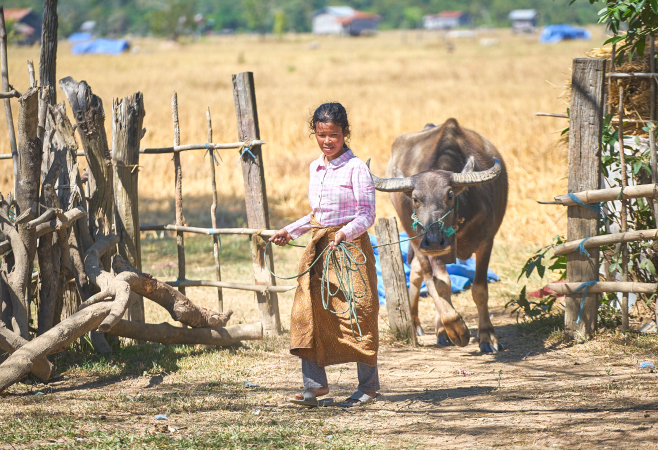 Indigenous Culture and Village Visits in Ratanakiri
Additional Natural Attractions
Eisey Patamak Mountain (Phnom Svay)
About 2km west of Banlung provincial town, Eisey Patamak Mountain is an awesome and peaceful place to behold the spellbinding serenity of the surrounding countryside. At the foot of the mountain is Wat Isana Rattanaram, where villagers living in Ban Loung come to worship.
At the top, a large statue of the reclining Buddha reaching nirvana was built in 1994. Eisey Patamak Mountain is the favorite haunt for adventure lovers, especially trekkers who can feast the eye to picturesque views as well as pleasant countryside scenery.
Lumphat Wildlife Sanctuary
Lumphat Wildlife Sanctuary is situated 37km to south of Banlung. The sanctuary supports elephants, rare bird species, and a wide range of wildlife, while historically forming part of habitats for large mammals that are now extremely rare or locally extinct. This vast protected area offers wildlife viewing opportunities and forest exploration for dedicated nature enthusiasts.
Practical Travel Information
Getting to Ratanakiri
Banlung Bus Station is the main bus station in Ratanakiri. You can get direct buses from most of the neighboring cities. The bus station is located near the city center so you can easily get to the city center by hiring a cab or by getting into local transport.
From Phnom Penh, the journey takes approximately 10-12 hours by bus, with several companies offering overnight services. From Siem Reap, travel time is approximately 8-10 hours. The roads have improved significantly in recent years, though some sections remain challenging during wet season.
Best Time to Visit
Ratanakiri has 3 seasons: Rainy season from June to October, Cool-season from November to February, and Hot season from March to May. The best season to visit this place is in the rainy season as then you can enjoy the lakes and waterfalls to the fullest, when water flows are at their maximum.
However, November to February provides more comfortable temperatures for hiking and trekking, with clear skies perfect for photography. The cool season represents optimal conditions for most Ratanakiri things to do, though waterfalls flow less dramatically than during wet months.
Essential Preparation
What to Bring:
- Sturdy shoes for trails and uneven terrain
- Insect repellent and sunscreen
- Hat and sun protection
- Cash (limited ATMs in Banlung)
- Basic first aid supplies
- Waterproof bags for electronics
Cultural Sensitivity:
- Ask before photographing locals
- Dress modestly when visiting villages
- Small purchases support communities better than intrusive photography
- Learn basic greetings in local languages
- Respect animist beliefs and sacred sites
Visa and Entry Requirements
Before exploring the incredible things to do in Ratanakiri, ensure you have proper entry documentation for Cambodia. Cambodia Immigration Services provides comprehensive eVisa services that streamline visa processing, allowing you to focus on planning your ecotourism adventure rather than worrying about immigration paperwork.
You can easily apply for a Cambodia visa online through their professional platform, which offers application assistance, document verification, and real-time updates. Their expert team ensures smooth entry procedures so you can maximize your time exploring Ratanakiri's natural wonders.
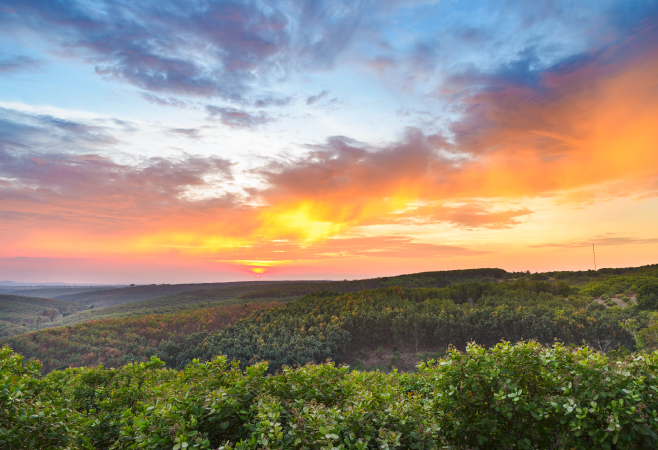 Practical Travel Information
Sustainable Tourism and Conservation
Ratanakiri faces environmental challenges including extensive logging that has stripped the province of many of its trees. However, significant forest areas remain protected, and sustainable tourism provides economic alternatives to destructive resource extraction.
When visiting, support conservation by choosing eco-friendly tour operators, respecting protected areas and wildlife, purchasing handicrafts directly from artisans, avoiding single-use plastics, and staying on designated trails.
Conclusion: Embracing Cambodia's Wild Heart
From the perfectly circular Yeak Laom Volcanic Lake to thundering waterfalls hidden in pristine forests, from vast wilderness parks to encounters with indigenous communities maintaining ancient traditions, the things to do in Ratanakiri offer adventurous travelers authentic experiences in one of Southeast Asia's last remaining wild frontiers.
This remarkable province rewards those willing to venture beyond Cambodia's main tourist circuits with natural beauty, cultural authenticity, and wilderness adventures that few travelers experience. The relative remoteness that once kept Ratanakiri isolated now represents its greatest appeal – here you can explore Cambodia's natural treasures without crowds, interact with communities maintaining traditional lifestyles, and witness landscapes largely unchanged for millennia.
Start planning your Ratanakiri adventure today and discover why this remote northeastern province captures the hearts of ecotourists, nature photographers, and adventurous spirits seeking authentic exploration in Cambodia's most pristine wilderness. With proper preparation and respect for local communities and environments, your journey through Ratanakiri will create memories and connections that last long after you've left this extraordinary ecotourism paradise.
Related Articles
- Getting Around Cambodia: A Guide to Transportation, Buses, Trains and Flights
- Is Cambodia Safe for Families? A Complete Family Travel Safety Guide
- Cambodia eSIM: Everything You Need to Know Before Your Trip
- Cambodia e-Arrival Card: Complete Information for Foreign Visitors

 NEED HELP 24/7
 United States
  United Kingdom
  Singapore
  Viber
Viber 


