

Ultimate Guide: Holiday to Vietnam and Cambodia - Discover Southeast Asia's Most Captivating Journey
 By Axel Donovan
| Update on: Jan 20, 2026
By Axel Donovan
| Update on: Jan 20, 2026
A holiday to Vietnam and Cambodia represents one of Southeast Asia's most rewarding travel experiences, combining ancient temple complexes with vibrant modern cities, tranquil waterways with bustling markets, and centuries of cultural heritage with contemporary innovation. These two neighboring nations complement each other beautifully – where Vietnam dazzles with its diverse landscapes stretching from misty northern mountains to the fertile Mekong Delta, Cambodia captivates through the awe-inspiring Angkor temple complex and gentle riverside charm. Together, they create perfect itineraries that deliver authentic cultural immersion, historical insights, culinary adventures, and natural wonders that will transform your understanding of Southeast Asia.
- Why Combine Vietnam and Cambodia in One Holiday
- Ideal Duration for Vietnam Cambodia Holidays
- Best Time for Your Vietnam Cambodia Holiday
- Essential Destinations on Vietnam Cambodia Holidays
- Connecting Vietnam and Cambodia: Border Crossings
- Planning Your Vietnam Cambodia Holiday Itinerary
- Cultural Experiences in Vietnam and Cambodia Holidays
- Culinary Journey Through Vietnam and Cambodia
- Essential Travel Preparations
- Sustainable and Responsible Travel
- Conclusion: Your Dream Vietnam Cambodia Holiday Awaits
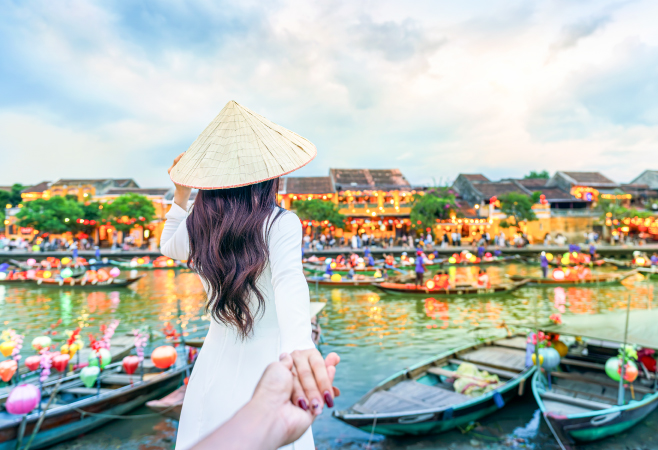 Holiday to Vietnam and Cambodia
Why Combine Vietnam and Cambodia in One Holiday
Planning a holiday to Vietnam and Cambodia makes perfect logistical and cultural sense for travelers seeking to maximize their Southeast Asian experience. The countries share a 1,158-kilometer border running from the tripoint with Laos in the north to the Gulf of Thailand, with several international border crossings, including popular routes such as Bavet/Moc Bai and the scenic Kaam Samnor/Vinh Xuong riverine crossing.
Beyond geographical proximity, these nations offer complementary experiences that together paint comprehensive pictures of Indochinese history and culture. Vietnam's thousand-year struggle for independence, French colonial legacy, and rapid economic development contrast beautifully with Cambodia's ancient Khmer Empire glory, Buddhist spiritual traditions, and emerging tourism renaissance. The Mekong River serves as a natural connector – as it flows from Cambodia into Vietnam before splaying into the Mekong Delta, it creates organic travel routes that eliminate internal flights while providing opportunities to witness river life that remains deeply rooted in centuries-old traditions.
Combining both countries in single journeys also provides exceptional value, as travelers save on international airfares while reducing travel time compared to separate trips. Most importantly, the dramatic contrasts between Hanoi's thousand-year-old Old Quarter and Siem Reap's ancient temples, between Ho Chi Minh City's Vespa-filled streets and Phnom Penh's riverside tranquility, create richer travel experiences than visiting either country alone could provide.
 Why Combine Vietnam and Cambodia in One Holiday
Ideal Duration for Vietnam Cambodia Holidays
When planning your holiday to Vietnam and Cambodia, allocating appropriate time ensures you experience highlights without feeling rushed. Travel experts consistently recommend minimum durations of 12-14 days to cover essential attractions in both countries, though 2-3 weeks allows for deeper immersion and more relaxed pacing that truly captures each destination's essence.
A well-designed 14-day itinerary typically dedicates 2 days exploring Hanoi's historic Old Quarter and French colonial architecture, 2 days cruising Ha Long Bay's limestone karsts, 3-4 days discovering Hoi An's ancient town and nearby Da Nang, 2 days experiencing Ho Chi Minh City's energy and Cu Chi Tunnels, followed by 3 days at Siem Reap's magnificent Angkor temples and 2 days in Phnom Penh exploring Cambodian history and culture.
Travelers with additional time can enhance itineraries by adding Sapa's terraced rice paddies in northern Vietnam, beach relaxation at Nha Trang or Phu Quoc Island, community-based ecotourism experiences at Cambodia's Chambok or Koh Trong Island, or extended Mekong Delta explorations that reveal rural lifestyles thriving along Southeast Asia's mighty waterway. Multi-day Mekong River cruises between Vietnam and Cambodia particularly appeal to travelers seeking leisurely paces and comprehensive cultural immersion.
Best Time for Your Vietnam Cambodia Holiday
Timing your holiday to Vietnam and Cambodia appropriately ensures optimal weather conditions and memorable experiences. Both countries share tropical monsoon climates with distinct wet and dry seasons, though Vietnam's elongated geography creates regional variations that require consideration when planning comprehensive itineraries.
The ideal period for most travelers runs from November through March, encompassing the dry season when both southern Vietnam and Cambodia experience comfortable temperatures, minimal rainfall, and excellent conditions for outdoor activities. During these months, temperatures in Ho Chi Minh City, the Mekong Delta, Siem Reap, and Phnom Penh range from 25-30°C (77-86°F) with clear blue skies perfect for temple exploration, river cruising, and cultural tours.
November and December particularly shine as peak months for Mekong River cruises, when water levels reach optimal heights following rainy season accumulation, allowing boats to navigate freely while floating markets display peak activity with abundant tropical fruits ripening throughout the region. The period from late January through mid-March coincides with the flower blooming season in the Mekong Delta, where yellow daffodils and pink orchids burst forth at locations like Sa Dec Flower Village, creating spectacular photography opportunities.
However, the wet season (May through October) shouldn't be dismissed entirely. This "green season" offers unique advantages, including dramatically reduced tourist crowds at Angkor Wat, lush verdant landscapes throughout both countries, and significantly lower accommodation and tour prices. Rain typically arrives in short afternoon downpours rather than all-day deluges, leaving mornings clear for sightseeing. Nature photographers particularly appreciate this season when rice fields glow brilliant green, and waterfalls reach peak flow.
Travelers should be cautious when visiting central Vietnam—particularly Hue and Hoi An—between September and November, when heavy rains and occasional flooding may disrupt travel. Da Nang is generally less affected but can still experience wet weather.
 Best Time for Your Vietnam Cambodia Holiday
Essential Destinations on Vietnam Cambodia Holidays
Vietnam's Can't-Miss Highlights
Hanoi, Vietnam's thousand-year-old capital, captivates visitors through its atmospheric Old Quarter, where narrow lanes buzz with street food vendors, traditional shops, and colonial architecture that survived the turbulent 20th-century history. Essential experiences include watching water puppet shows, exploring the Ho Chi Minh Mausoleum complex, wandering around Hoan Kiem Lake, and joining Vespa food tours that reveal the city's culinary soul after dark.
Ha Long Bay stands as Vietnam's most iconic natural wonder, where home to over 1,600 limestone islands and islets rising dramatically from emerald waters, creating otherworldly seascapes. Overnight cruises allow travelers to kayak through hidden lagoons, visit fishing villages, explore mysterious caves, and witness spectacular sunrises that paint limestone formations in golden hues. Alternative options include less-touristed Bai Tu Long Bay or Lan Ha Bay for more intimate experiences.
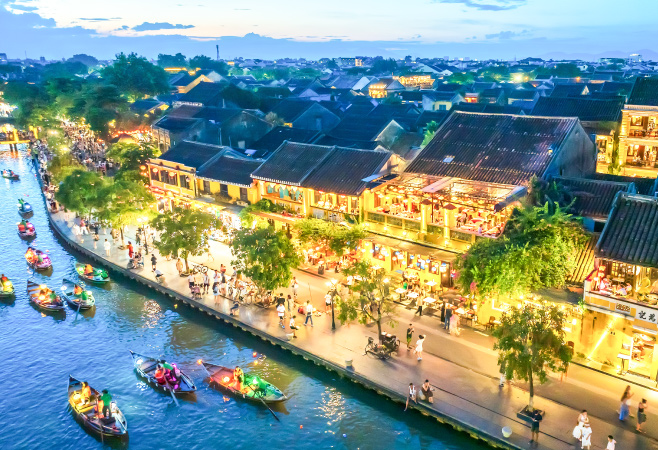
Hoi An Ancient Town preserves 15th-17th century trading port architecture with Chinese, Japanese, and European influences, creating a UNESCO-recognized heritage that glows magically during monthly Full Moon Lantern Festivals when electric lights are extinguished, and thousands of colorful lanterns illuminate the riverside town. Nearby attractions include My Son Hindu temples, pristine An Bang and Cua Dai beaches, and traditional craft villages producing everything from ceramics to silk lanterns.
Ho Chi Minh City (Saigon) pulses with contemporary Vietnamese energy where motorbikes outnumber cars and French colonial landmarks like Notre-Dame Cathedral and Central Post Office contrast with gleaming skyscrapers and modern shopping malls. Day trips to Cu Chi Tunnels reveal incredible underground networks where Viet Cong fighters lived during wartime, while Mekong Delta excursions showcase floating markets, coconut candy workshops, and traditional river life.
Cambodia's Unmissable Experiences
Angkor Archaeological Park near Siem Reap encompasses over 400 square kilometers, containing remains of successive Khmer Empire capitals from the 9th to 15th centuries. The crown jewel, Angkor Wat, represents the largest religious monument globally, with intricate bas-reliefs depicting Hindu epics and a distinctive five-tower silhouette recognizable worldwide. Beyond the main temple, Bayon's enigmatic stone faces, Ta Prohm's jungle-strangled ruins immortalized in Tomb Raider films, and dozens of lesser-known temples create multi-day exploration opportunities revealing Khmer architectural and artistic genius.
Phnom Penh, Cambodia's capital, offers profound historical insights through sobering visits to Tuol Sleng Genocide Museum and Killing Fields that document Khmer Rouge atrocities, balanced by uplifting experiences at the magnificent Royal Palace with its Silver Pagoda, atmospheric riverside dining along Sisowath Quay, and vibrant Central and Russian Markets where visitors discover authentic Cambodian handicrafts, silk products, and street food specialties.
Tonle Sap Lake near Siem Reap represents Southeast Asia's largest freshwater lake, expanding up to six times its dry season size during monsoon months, when reversing water flow creates unique ecosystems supporting floating villages where entire communities live on water. Boat tours through Vietnamese and Khmer floating villages reveal schools, churches, shops, and homes all constructed on floating platforms, offering fascinating glimpses into adaptive lifestyles completely integrated with aquatic environments.
Connecting Vietnam and Cambodia: Border Crossings
Your holiday to Vietnam and Cambodia requires strategic border crossing planning to ensure smooth transitions between countries. Multiple options accommodate different itineraries and travel preferences, from quick flights to scenic overland journeys and romantic river cruises.
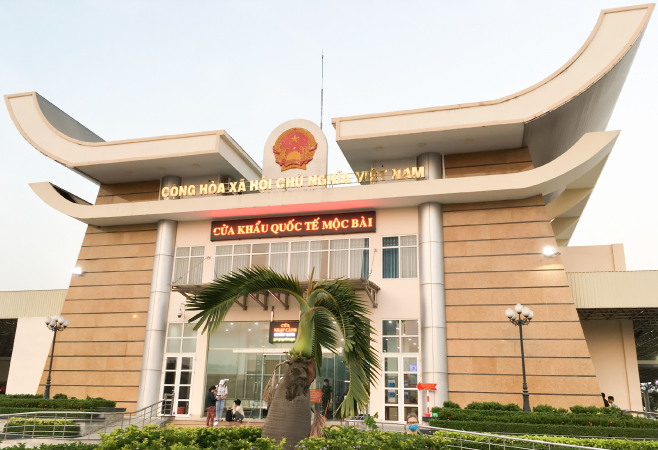
The most popular overland route connects Ho Chi Minh City with Phnom Penh via the Bavet/Moc Bai border crossing, easily accessed by comfortable buses operating multiple daily departures for approximately $10-30 depending on service quality. The six-hour journey includes border formalities handled by bus staff, making it hassle-free for independent travelers seeking budget-friendly options.
For travelers prioritizing comfort and speed, direct flights connect major cities, including Ho Chi Minh City to both Siem Reap and Phnom Penh (approximately 1 hour), and Hanoi to Siem Reap (2 hours), operated by Vietnam Airlines, Cambodia Angkor Air, and budget carriers. Flight costs vary seasonally but typically range $80-150 for one-way economy tickets, making them affordable alternatives that save precious vacation time.
The most romantic and culturally immersive option involves Mekong River boat journeys between Chau Doc (Vietnam) and Phnom Penh (Cambodia) via the Kaam Samnor/Vinh Xuong riverine border. These crossings take 5-6 hours aboard traditional wooden boats or modern speedboats, passing through floating villages, fish farms, and riverside communities while avoiding road travel entirely. Extended multi-day Mekong cruises aboard luxury vessels like Aqua Mekong or traditional rice barges transformed into boutique river hotels elevate this experience to unforgettable journeys where borders blur, and river life becomes the journey's focus rather than mere transportation.
 Connecting Vietnam and Cambodia: Border Crossings
Planning Your Vietnam Cambodia Holiday Itinerary
Crafting the perfect Vietnam-Cambodia holiday requires balancing highlights with realistic pacing that allows genuine experiences rather than exhausting destination-hopping. Two primary route options dominate: north-to-south through Vietnam ending in Cambodia, or starting in Cambodia before exploring Vietnam from south to north.
The classic "Grand Indochina" itinerary begins in Hanoi, progresses through Ha Long Bay, continues to Hoi An and Da Nang, moves south to Ho Chi Minh City and the Mekong Delta, then crosses into Cambodia for Phnom Penh before culminating at Siem Reap's Angkor temples. This routing follows natural geographical flow while building toward the climactic Angkor Wat finale that many travelers consider Southeast Asia's ultimate highlight.
Alternative routing reverses this sequence, beginning at Siem Reap, where early-trip energy tackles extensive temple exploration before fatigue sets in, then traveling to Phnom Penh, crossing to Vietnam's Mekong Delta and Ho Chi Minh City, proceeding to Hoi An, and concluding in Hanoi with Ha Long Bay extension. This approach works particularly well for travelers who prefer ending journeys in more developed infrastructure with better international flight connections.
Regardless of routing, successful itineraries balance busy sightseeing days with relaxation periods, include diverse activity types appealing to all group members, allocate sufficient time at highlights to avoid feeling rushed, and maintain flexibility for spontaneous opportunities or necessary rest days. Working with experienced local tour operators familiar with both countries ensures efficient logistics, knowledgeable English-speaking guides, quality accommodations, and insider access to authentic experiences that independent travelers often miss.
Cultural Experiences in Vietnam and Cambodia Holidays
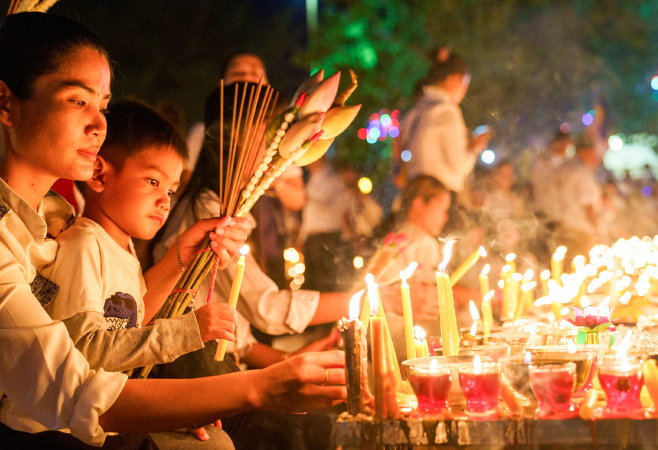
The cultural richness encompassed in Vietnam and Cambodia holidays extends far beyond architectural wonders to include living traditions, artistic performances, culinary discoveries, and meaningful community interactions that create lasting connections with both countries.
Vietnam's water puppet shows, originating in northern rice paddies centuries ago, present uniquely Vietnamese art forms where wooden puppets "dance" on water surfaces controlled by hidden puppeteers standing waist-deep behind screens. These charming performances in Hanoi's Thang Long Theater or Hoi An's venues combine traditional music, storytelling, and remarkable puppeteering skills that delight audiences of all ages.
Cambodia's classical Apsara dance performances preserve ancient Khmer court traditions nearly lost during the Khmer Rouge years but painstakingly revived by dedicated artists. These elegant dances featuring elaborately costumed performers executing intricate hand gestures and graceful movements appear in various Siem Reap venues, from hotel dinner shows to National Museum performances under stars, often accompanied by traditional music played on classical instruments including the roneat (bamboo xylophone) and skor thom (large drums).
Cooking classes offered throughout both countries provide hands-on introductions to Vietnamese and Cambodian cuisines. Vietnamese classes typically focus on pho noodle soup, fresh spring rolls, or regional specialties like cao lau in Hoi An, while Cambodian versions teach fish amok (coconut curry steamed in banana leaves), lok lak beef, and traditional desserts. These interactive experiences usually include market tours where instructors explain ingredient selection and local cooking philosophies.
Community-based tourism initiatives in both countries offer authentic village homestays, agricultural experiences, traditional craft workshops, and cultural exchanges that directly benefit local families while providing travelers with genuine insights into rural life. Cambodia's award-winning Chambok ecotourism project and Vietnam's homestay programs in Mekong Delta villages exemplify how responsible tourism creates win-win scenarios supporting both conservation and community development.
 Cultural Experiences in Vietnam and Cambodia Holidays
Culinary Journey Through Vietnam and Cambodia
Food represents the central pillars of both Vietnamese and Cambodian cultures, making gastronomic exploration an essential component of memorable holidays to Vietnam and Cambodia. The cuisines share Southeast Asian foundations of fresh herbs, rice-based dishes, and balanced flavors, yet maintain distinct characteristics reflecting their unique historical influences and ingredient availability.
Vietnamese cuisine, influenced by Chinese cooking techniques and French colonial ingredients, achieves remarkable sophistication through complex flavor balancing and fresh herb abundance. Must-try dishes include pho (aromatic beef or chicken noodle soup), banh mi (French baguette sandwiches with Vietnamese fillings), fresh spring rolls with peanut dipping sauce, bun cha (grilled pork with noodles), cao lau (Hoi An's unique pork and noodle dish), and regional specialties like Hue's imperial cuisine or Mekong Delta's elephant ear fish.
Cambodian food emphasizes freshwater fish from Tonle Sap Lake and the Mekong River, palm sugar sweetness, Kampot pepper's complex flavors, and fermented fish paste (prahok) that appears throughout traditional dishes. Essential tastings include fish amok, lok lak (marinated beef with lime-pepper dipping sauce), nom banh chok (Khmer rice noodles with fish gravy), kuy teav (popular breakfast noodle soup), and street food favorites like grilled squid, fried spiders (yes, really!), and fresh tropical fruits.
Street food culture thrives in both countries, with Vietnam's banh mi carts and pho stalls operating alongside Cambodia's grilled meats and fresh fruit vendors. Adventurous eaters should embrace street food as generally safe and incredibly delicious, while more cautious travelers can seek recommendations from guides or stick to busy vendors with high turnover, ensuring fresh ingredients.
Essential Travel Preparations
Successfully planning your holiday to Vietnam and Cambodia requires attention to several practical matters well before departure. Understanding visa requirements, health precautions, currency considerations, and packing essentials ensures smooth travels free from unnecessary complications.
Both Vietnam and Cambodia require visas for most international visitors, though the processes differ significantly. To fully enjoy your Vietnam-Cambodia holiday adventure, international visitors need valid entry documents for both countries. For convenient and reliable Cambodia visa processing, Cambodia Immigration Services provides comprehensive eVisa support services that simplify the application process for travelers worldwide. Their expert team assists with document preparation, provides real-time application updates, and ensures hassle-free entry into Cambodia for your combined holiday.
For those ready to begin their Southeast Asian adventure, you can apply for a Cambodia visa online through a streamlined process that eliminates traditional visa application complexities and ensures quick processing times. Vietnam also offers eVisa options through official government portals, with similar application processes requiring passport photos, travel dates, and processing fees.
Health preparations should include consultations with travel health clinics regarding recommended vaccinations (typically Hepatitis A and B, Typhoid, and routine boosters), malaria prophylaxis for rural areas, and comprehensive travel insurance covering medical evacuation. Carrying basic medical supplies, including anti-diarrheal medication, rehydration salts, insect repellent, and any prescription medications in original containers, prevents common travel health issues.
Currency management remains straightforward as US dollars circulate widely in Cambodia alongside Cambodian riel, while Vietnam uses Vietnamese dong, with dollars less commonly accepted. ATMs throughout both countries dispense local currency, though carrying some US dollars provides backup options and facilitates certain transactions. Credit cards work at hotels and upscale restaurants but remain less reliable at smaller establishments and markets.
Packing strategies should emphasize lightweight, breathable clothing suitable for tropical climates, modest attire respecting local customs (covering shoulders and knees at religious sites), comfortable walking shoes broken in before trips, sun protection including hats and high-SPF sunscreen, and rain gear during wet season months. Electrical adapters for Type A, C, and G outlets used throughout the region, along with portable chargers for long touring days, prove invaluable for keeping devices operational.
Sustainable and Responsible Travel
Approaching your holiday to Vietnam and Cambodia with sustainability awareness ensures your travels benefit rather than burden the destinations you visit. Both countries face environmental challenges from rapid tourism growth, making conscious travel choices increasingly important for preserving cultural and natural heritage for future generations.
Choose accommodations and tour operators demonstrating environmental and social responsibility through fair staff wages, waste reduction programs, energy efficiency measures, and community development support. Many boutique hotels and eco-lodges throughout both countries maintain high standards while contributing positively to local economies and conservation efforts.
Respect cultural sensitivities by dressing modestly at temples and religious sites, removing shoes where required, asking permission before photographing people (especially monks and ethnic minorities), and learning basic phrases in Vietnamese and Khmer that show respect for local languages and cultures. Small gestures like "xin chào" (hello in Vietnamese) or "choum reap suor" (hello in Khmer) create positive interactions and demonstrate cultural appreciation.
Support local economies by purchasing handicrafts directly from artisans rather than mass-produced imports, eating at family-run restaurants serving traditional cuisine, hiring local guides whose expertise and knowledge enrich experiences while providing sustainable livelihoods, and avoiding multinational chains when excellent local alternatives exist.
Practice responsible wildlife tourism by refusing elephant riding, avoiding venues exploiting animals for entertainment, and choosing ethical sanctuaries focused on conservation and animal welfare rather than tourist performances. Both Vietnam and Cambodia offer legitimate wildlife conservation programs where visitors can contribute to important protection work while observing animals in appropriate conditions.
Conclusion: Your Dream Vietnam Cambodia Holiday Awaits
A holiday to Vietnam and Cambodia delivers Southeast Asian travel experiences at their finest – combining ancient wonders with natural beauty, cultural depth with culinary excellence, and historical significance with contemporary vitality. These complementary nations reward travelers with diverse experiences ranging from Ha Long Bay's otherworldly seascapes to Angkor Wat's architectural majesty, from Hanoi's thousand-year-old charm to Phnom Penh's resilient spirit, from Hoi An's romantic lantern-lit evenings to the Mekong Delta's timeless river rhythms.
Whether you're seeking adventure through kayaking limestone karsts and cycling rice paddies, cultural immersion through traditional performances and cooking classes, historical insights through sobering museums and ancient temples, or simply relaxation on pristine beaches between sightseeing adventures, your Vietnam Cambodia holiday promises unforgettable memories and transformative experiences that will inspire return visits for years to come.
The perfect time to begin planning is now. With proper preparation, thoughtful itinerary design, and openness to the unexpected moments that make travel magical, your journey through these extraordinary countries will exceed expectations and create stories you'll share for lifetimes. Start planning your holiday to Vietnam and Cambodia today, and discover why this Southeast Asian combination consistently ranks among the world's most rewarding travel experiences.
Related Articles
- Getting Around Cambodia: A Guide to Transportation, Buses, Trains and Flights
- Is Cambodia Safe for Families? A Complete Family Travel Safety Guide
- Cambodia eSIM: Everything You Need to Know Before Your Trip
- Cambodia e-Arrival Card: Complete Information for Foreign Visitors

 NEED HELP 24/7
 United States
  United Kingdom
  Singapore
  Viber
Viber 


