

Ultimate Guide: Things to Do in Angkor Wat, Cambodia - Your Complete Temple Adventure
 By Axel Donovan
| Update on: Jan 19, 2026
By Axel Donovan
| Update on: Jan 19, 2026
Angkor Wat, the world's largest religious monument and Cambodia's most iconic symbol, beckons travelers with its magnificent spires, intricate carvings, and profound spiritual atmosphere. If you're planning the best things to do in Angkor Wat, Cambodia, you're about to embark on a journey through one of humanity's greatest architectural achievements, where ancient Khmer civilization comes alive where ancient Khmer civilization comes alive through temple ruins and cultural landscapes spread across an area of approximately 400 square kilometers.
This UNESCO World Heritage site, dating back to the 12th century, offers far more than a single temple visit. The Angkor Archaeological Park encompasses hundreds of temples, each telling unique stories of the mighty Khmer Empire that once dominated Southeast Asia. From witnessing magical sunrises over reflecting pools to exploring jungle-enveloped ruins where nature and architecture intertwine, the experiences available here create memories that resonate long after you leave.
Let me guide you through the most spectacular things to do in Angkor Wat, Cambodia that will help you discover both famous highlights and hidden treasures while making the most of your visit to this extraordinary destination.
- Experience the Magical Angkor Wat Sunrise
- Explore the Main Angkor Wat Temple Complex
- Discover Bayon Temple's Enigmatic Faces
- Explore Ta Prohm: The Jungle Temple
- Visit Additional Must-See Temples
- Join Guided Tours for Deeper Understanding
- Plan Your Visit During Optimal Seasons
- Understand Ticketing and Logistics
- Dress Appropriately and Prepare Properly
- Enjoy Breakfast Options Near Temples
- Capture Sunset Views from Sacred Mountains
- Planning Your Complete Visit
- Conclusion: Your Angkor Wat Adventure Awaits
 Things to Do in Angkor Wat, Cambodia
Experience the Magical Angkor Wat Sunrise
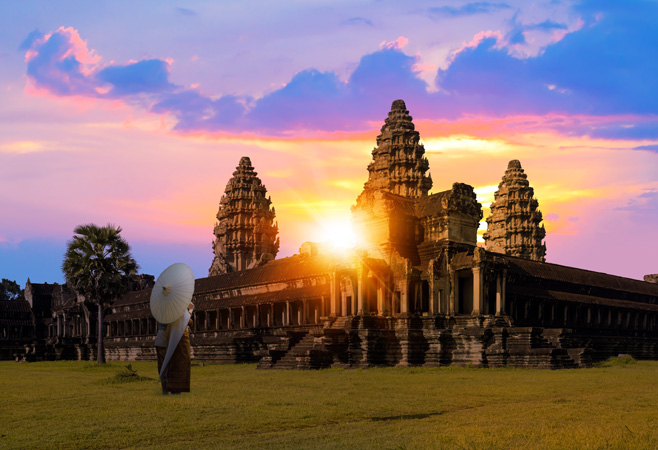
Among the most breathtaking things to do in Angkor Wat, Cambodia, watching sunrise over the main temple ranks as an absolutely essential bucket-list experience. Sunrise at Angkor Wat typically occurs between 5:30 am and 6:00 am, and arriving around 5:00 am or even earlier is crucial to secure a good viewing spot.
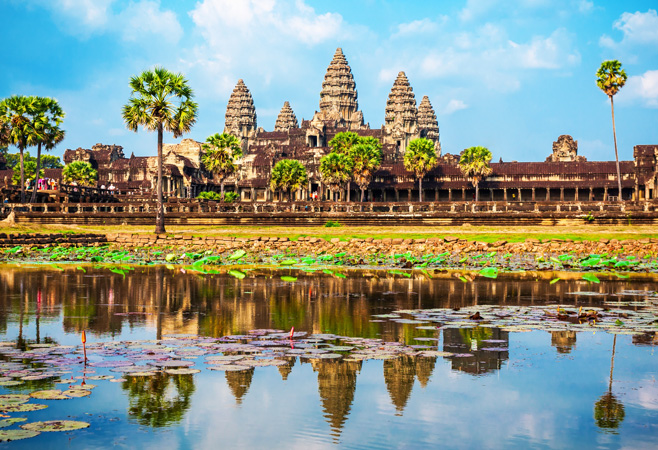
The most iconic sunrise spot is near the reflecting pond directly in front of Angkor Wat, where the temple's reflection in the water, illuminated by the rising sun, creates a magical scene. The sight of the sun slowly emerging behind the five distinctive towers creates silhouettes that gradually reveal intricate details as golden light bathes the ancient stone structures.
The experience transcends simple photography opportunities – it's a connection to history, nature, and the serene beauty of Cambodia that stays with you forever. Imagine sitting in the quiet dawn, a warm drink in hand, as the sky transforms from deep indigo to vibrant shades of pink and orange, revealing the temple's majestic silhouette.
Special celestial events make certain dates particularly spectacular. Around the spring and autumn equinoxes (usually in late March and late September), the sunrise aligns closely with Angkor Wat’s central tower, creating especially striking visual moments.
Explore the Main Angkor Wat Temple Complex
After experiencing sunrise, thoroughly exploring the main Angkor Wat temple represents one of the most rewarding things to do in Angkor Wat, Cambodia. As you explore the intricate corridors and chambers of Angkor Wat, you'll learn about its rich history and the Khmer Empire's legacy through captivating stories and detailed bas-relief carvings.
The temple was built in the 12th century by King Suryavarman II and was initially dedicated to the Hindu god Vishnu before transitioning to Buddhism in the 14th century. The five iconic towers represent Mount Meru, the center of the universe in Hindu cosmology, while intricate bas-reliefs depict scenes from Hindu epics like the Ramayana and Mahabharata.
Expert local guides will decipher the myriad of stories behind the bas-relief carvings, and give you an insight into life during the height of the Khmer empire. One of the longest and most detailed continuous bas-relief galleries in the world lines the temple’s corridors, showcasing battle scenes, celestial dancing, and mythological narratives in stunning detail.
Climbing to the upper terraces provides panoramic views of the surrounding area and brings you closer to the symbolic center of Khmer spiritual beliefs. The early morning hours offer fewer crowds, allowing you to enjoy Angkor Wat's incredible architecture and tranquil atmosphere more peacefully before tour groups arrive.
 Explore the Main Angkor Wat Temple Complex
Discover Bayon Temple's Enigmatic Faces
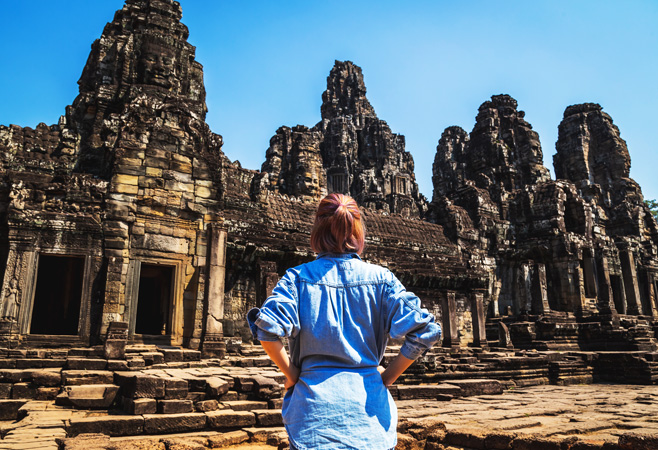
Visit the famous Bayon Temple, which is known for its 54 towers adorned with over 200 smiling stone faces. Exploring this architectural masterpiece ranks among the most fascinating things to do in Angkor Wat, Cambodia, offering experiences completely different from the main Angkor Wat temple.
Located at the center of the walled city of Angkor Thom, Bayon Temple was built in the late 12th or early 13th century by King Jayavarman VII as the state temple of the Mahayana Buddhist empire. The plethora of placid and cheerful stone faces you will see on the Bayon's many towers, which protrude from the upper terrace and cluster around the structure's central peak, is without a doubt the most defining characteristic of this ancient structure.
The enigmatic smiles on these stone faces are thought to symbolize compassion and enlightenment, while some scholars believe the faces represent the king himself or the Buddhist deity Bodhisattva Avalokiteshvara. The temple looks best in early morning or late afternoon when shadows bring out the facial features, as midday light tends to wash out important details.
Bayon's intricate carvings provide glimpses into everyday Khmer life during its heyday, with bas-reliefs depicting market scenes, cooking activities, childbirth, and naval battles that offer invaluable historical documentation of 12th-century Cambodian society.
Explore Ta Prohm: The Jungle Temple
Because of its attractive and entrancing combination of trees growing out of the ruins and the forest environs, Ta Prohm is one of the temples in Angkor that attracts the greatest number of visitors. Visiting this atmospheric site represents one of the most photogenic and memorable things to do in Angkor Wat, Cambodia.
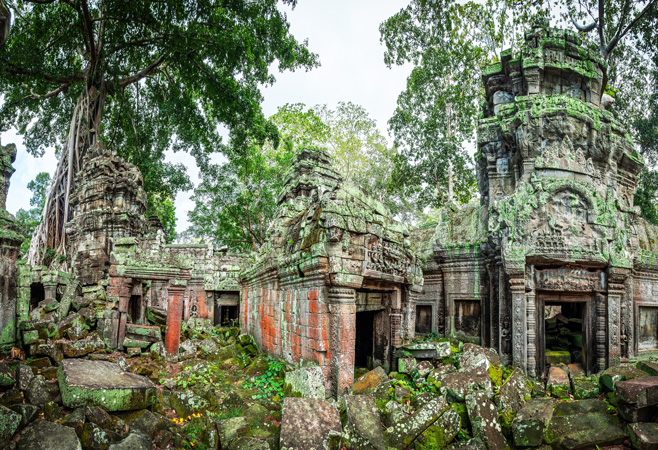
Ta Prohm became super famous after showing up in the Tomb Raider movie, and unlike other temples that got fixed up, this one was left partly taken over by jungle with huge silk-cotton trees growing right through the walls. The decision to maintain Ta Prohm in its semi-ruined state allows visitors to witness how nature relentlessly reclaims human structures when given the opportunity.
The temple was constructed beginning in 1186 as a Buddhist monastery initially known as Rajavihara (Monastery of the King) and was dedicated to the mother of Jayavarman VII. Massive tree roots create dramatic scenes as they wrap around ancient stone blocks, while narrow vertical bas-reliefs, smiling faces on gates, and overall grandeur contribute to the temple's mystical atmosphere.
The temple feels most magical in mid-morning when light breaks through the tree cover in beams, or late afternoon when crowds thin out and golden light filters through the forest canopy. The maze-like layout encourages exploration and discovery, with suggested walking paths marked on display boards near entrances.
 Explore Ta Prohm: The Jungle Temple
Visit Additional Must-See Temples
Beyond the main three temples, exploring other significant structures within the Angkor complex provides rewarding things to do in Angkor Wat, Cambodia that showcase architectural diversity and historical importance. Banteay Srei, known as the "Citadel of Women," is renowned for its exquisitely detailed pink sandstone carvings that represent some of the finest Khmer artistry.
Angkor Thom, the last great capital of the Khmer Empire, offers multiple attractions within its walls. The Terrace of the Elephants provided viewing platforms where kings once watched their victorious armies, while the Terrace of the Leper King features intricate carvings and mysterious historical significance. Baphuon, an 11th-century mountain temple, showcases impressive architectural feats despite partially collapsing over centuries.
For more adventurous visitors, remote temples like Beng Mealea and Koh Ker provide off-the-beaten-path experiences where partially restored ruins maintain authentic archaeological atmospheres with fewer tourists. These distant sites reward travelers willing to venture beyond the main temple circuit with unique discoveries and peaceful exploration opportunities.
Join Guided Tours for Deeper Understanding
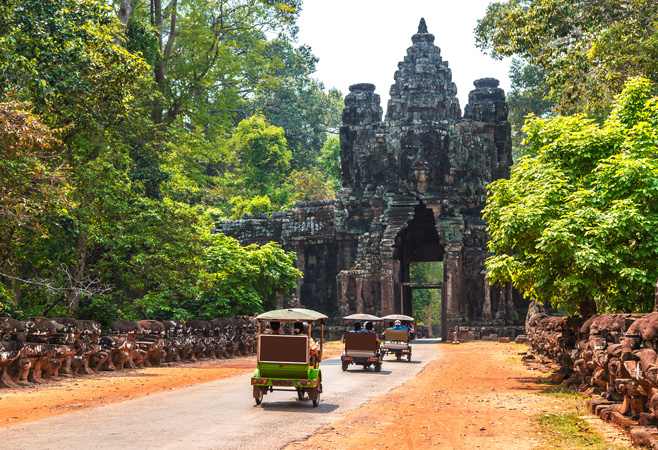
Participating in professional guided tours represents one of the most educational things to do in Angkor Wat, Cambodia that transforms simple sightseeing into comprehensive cultural learning experiences. Recent tour reviews consistently highlight knowledgeable guides who provide informative, fun explanations in excellent English while sharing facts about temple history and modern Cambodia.
Hiring a private guided tour can significantly enhance your experience, as a knowledgeable guide will provide valuable context, stories, and insights that you might otherwise miss, given the sheer historical depth of Angkor Wat and the surrounding temples. Guides explain the significance of each temple's architecture, carvings, and religious symbolism, helping visitors fully appreciate the grandeur of the Khmer Empire.
Small-group tours typically accommodate 8-12 travelers and provide personalized attention while maintaining social atmospheres where fellow travelers share experiences. Private tours offer complete customization based on your specific interests, physical abilities, and preferred pacing. Many mid-range and private tours include air-conditioned transportation, cold water, and refreshing towels, though inclusions vary by operator.
Tour packages range from half-day sunrise experiences to comprehensive multi-day explorations that cover major and minor temples systematically. Booking tours through reputable companies ensures professional service, knowledgeable guides, and smooth logistics that maximize your limited time at this vast archaeological site.
 Join Guided Tours for Deeper Understanding
Plan Your Visit During Optimal Seasons
Timing your visit strategically enhances all things to do in Angkor Wat, Cambodia by ensuring comfortable weather conditions and optimal photography opportunities. The best time to visit Angkor Wat is during the dry season, specifically from November to February, when clear skies allow you to witness breathtaking sunrises and capture stunning photographs against blue sky backdrops.
For the most spectacular sunrise, timing is everything, and weather plays a significant role, with the best conditions typically found during Cambodia's dry season, which runs from December to March. December and January offer particularly favorable conditions with cooler temperatures, minimal rainfall, and excellent visibility that enhances both photography and comfortable temple exploration.
The dry season coincides with several colorful Cambodian festivals, providing opportunities to witness the country's vibrant culture beyond temple visits. However, these months also represent peak tourist seasons, so expect larger crowds at popular sunrise spots and main temples during midday hours.
The rainy season from June to October brings afternoon showers that create dramatic cloud formations and lush green landscapes, though some remote temples may have limited accessibility due to muddy conditions. Visiting during shoulder seasons of November or March offers good weather with fewer crowds than peak December-February periods.
Understand Ticketing and Logistics
You need a ticket to enter the Angkor Archaeological Park, and purchasing your ticket the day before is highly recommended, as ticket counters are often crowded early in the morning. Temple pass options include one-day ($37), three-day ($62), and seven-day passes ($72), with multi-day passes valid over extended periods allowing flexible exploration schedules.
You can now purchase your Angkor Pass online through the official portal, which is a game-changer, allowing you to bypass the queues entirely and giving you more time to find the perfect spot for sunrise. The main ticket office is located on Street 60, several kilometers from Siem Reap's town center, opening at 5:00 am until 5:30 pm.
Always keep your pass accessible, as you'll need to show it at various checkpoints throughout the archaeological park. Lost passes cannot be replaced, requiring purchase of new tickets, so keep yours in safe, easily accessible locations. The seven-day pass offers excellent value for travelers spending extended time in Siem Reap, allowing relaxed exploration without feeling pressured to see everything immediately.
Be aware that Angkor Wat's central tower may occasionally be closed on Buddhist holy days (Sangka Days), so check the Buddhist calendar for these dates to avoid unexpected closures during your visit. The 2025 Buddhist calendar is available online for advance planning.
 Understand Ticketing and Logistics
Dress Appropriately and Prepare Properly
Proper preparation ensures comfortable and respectful experiences during all things to do in Angkor Wat, Cambodia. Respectful dress with covered shoulders and knees is required for temple entry, with shoulders covered by scarves not permitted – you must wear actual shirts with sleeves. Lightweight, breathable fabrics work best in tropical climates while maintaining modesty.
Early morning around Angkor Wat is very dark, and pathways leading to the temple can be uneven, so a flashlight or smartphone light is essential for safe walking. Mornings can be cooler than expected before sunrise, so bring light jackets or shawls for comfort while waiting for daybreak.
For most of the year, temple exploration involves significant heat and humidity, making hydration critically important. Bring extra water bottles beyond what tours provide, along with sunscreen, bug spray, and hats for sun protection. Comfortable walking shoes with good grip are essential for navigating uneven stone surfaces and steep temple stairs.
Enjoy Breakfast Options Near Temples
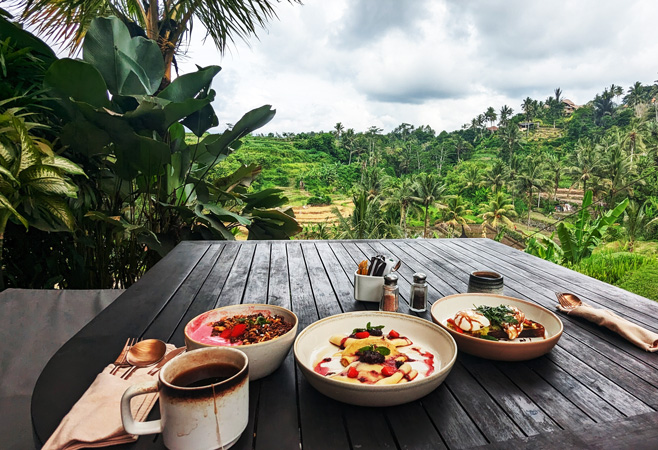
Several local food stalls and small restaurants are located just outside the main temple complex, opening early and serving delicious Cambodian breakfast dishes like noodle soup or rice porridge, along with coffee and tea. These authentic breakfast experiences provide perfect opportunities to refuel after sunrise viewing and temple exploration.
For a convenient option, There has been recent discussion about international coffee chains opening locations near Siem Reap and the Angkor Archaeological Park, though food options closest to Angkor Wat itself remain mainly local stalls and small restaurants. Many hotels offer breakfast packs that guests can request the night before, allowing portable meals enjoyed at temples after sunrise viewing.
Local markets near Angkor Archaeological Park sell fresh baguettes, fried bananas, tropical fruits, and other street food perfect for picnic breakfasts in quieter temple areas. These authentic eating experiences connect you with local food culture while providing necessary energy for extensive temple exploration ahead.
 Enjoy Breakfast Options Near Temples
Capture Sunset Views from Sacred Mountains
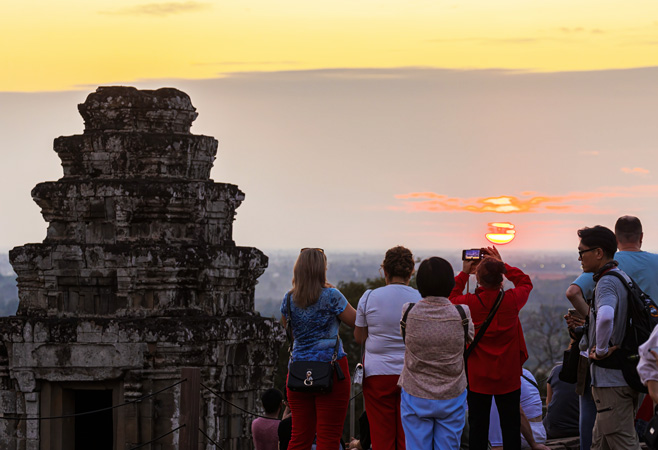
Ending your day watching sunset from elevated temple platforms represents spectacular things to do in Angkor Wat, Cambodia that provide different perspectives on the vast archaeological park. Phnom Bakheng, located just south of Angkor Thom, offers the most popular sunset viewpoint where colors paint the sky while Angkor Wat changes with them from 60 meters above ground level.
This Hindu temple mountain restricts visitor numbers to 300 people daily at the summit, so arrive early during peak seasons to secure spots. The vista from this elevated viewpoint provides panoramic views across temple complexes and surrounding forests that showcase the enormous scale of ancient Angkor's urban development.
Pre Rup temple offers alternative sunset viewing with fewer crowds and excellent vantage points for photography. The reddish brick construction creates warm tones that complement golden hour lighting, while elevated positions provide scenic perspectives across Angkor's landscape as daylight fades.
Planning Your Complete Visit
For seamless travel planning and comprehensive experiences of all things to do in Angkor Wat, Cambodia, proper preparation and realistic time allocation prove essential. Most visitors find that at least two to three full days provide sufficient time to explore main temples thoroughly without feeling rushed, though week-long passes allow deeper exploration of remote sites and repeated visits to favorite locations.
Many people opt to join tour groups for either the 'small circuit' or the 'grand circuit' in 5-8 hour experiences taking visitors to 4-8 of the complex's most famous temples, though some travelers report returning exhausted and 'templed-out' after starting with sunrise and progressing through the heat of the day. Breaking temple visits across multiple days with early morning starts followed by afternoon breaks creates more sustainable exploration rhythms.
For seamless Cambodia travel planning beyond temple visits, ensure you have proper entry documentation before your journey. Cambodia Immigration Services provides comprehensive eVisa support, making your entry process smooth and efficient. Their expert team assists with all required documentation and offers real-time application updates, allowing you to focus on planning your incredible Angkor adventure rather than worrying about visa complications.
 Planning Your Complete Visit
Conclusion: Your Angkor Wat Adventure Awaits
The things to do in Angkor Wat, Cambodia, we've explored represent just the beginning of what this extraordinary archaeological wonder offers travelers seeking meaningful historical and cultural experiences. From magical sunrise viewing and temple exploration to guided tours and sunset vistas, every moment spent within Angkor Archaeological Park deepens appreciation for human creativity, spiritual devotion, and architectural mastery achieved centuries ago.
This UNESCO World Heritage site captivates visitors with jaw-dropping beauty and incredibly preserved cultural heritage that tells stories of the mighty Khmer Empire's rise, zenith, and transformation. Whether you spend one day or one week exploring these ancient structures, Angkor Wat delivers transformative experiences that inspire wonder, respect, and lasting memories.
The combination of main temples like Angkor Wat, Bayon, and Ta Prohm with lesser-known sites throughout the vast complex ensures diverse experiences that satisfy history enthusiasts, photography lovers, spiritual seekers, and cultural explorers alike. Every carved stone, every tower reaching toward the sky, and every quiet corridor whispers tales of civilizations past while inviting personal reflection and discovery.
Ready to embark on your Angkor Wat adventure? Apply for a Cambodia visa online today and start planning your journey to one of humanity's greatest architectural achievements. With proper preparation, respect for sacred spaces, and appreciation for cultural significance, your exploration of all the amazing things to do in Angkor Wat, Cambodia will create profound experiences you'll treasure forever.
Related Articles
- Getting Around Cambodia: A Guide to Transportation, Buses, Trains and Flights
- Is Cambodia Safe for Families? A Complete Family Travel Safety Guide
- Cambodia eSIM: Everything You Need to Know Before Your Trip
- Cambodia e-Arrival Card: Complete Information for Foreign Visitors

 NEED HELP 24/7
 United States
  United Kingdom
  Singapore
  Viber
Viber 


