

Ultimate Guide: Planning a Trip to Vietnam, Cambodia and Laos - Your Complete Southeast Asia Adventure
 By Axel Donovan
| Update on: Jan 20, 2026
By Axel Donovan
| Update on: Jan 20, 2026
Planning a trip to Vietnam, Cambodia and Laos represents one of the most rewarding travel experiences in Southeast Asia, combining three culturally rich countries into a single extraordinary journey. From Vietnam's bustling cities and stunning natural wonders to Cambodia's magnificent Angkor temples and Laos's serene spiritual landscapes, this comprehensive guide will help you craft the perfect multi-country itinerary that balances must-see attractions with authentic local experiences, creating memories to last forever.
These three neighboring nations share profound historical connections spanning thousands of years, yet each maintains distinct identities shaped by unique influences, cuisines, and traditions. Vietnam enchants with its dramatic Ha Long Bay limestone karsts, phenomenal street food, and French colonial heritage. Cambodia captivates visitors with Angkor Wat's awe-inspiring architecture and stories of remarkable resilience. Meanwhile, Laos offers serene Buddhist spirituality, pristine waterfalls, and a slower pace of life that perfectly balances the energy of its neighbors.
Let me guide you through everything you need to know when planning a trip to Vietnam, Cambodia and Laos, from visa requirements and ideal duration to must-visit destinations and practical logistics that will transform your Southeast Asian dreams into reality.
- Understanding Your Time Requirements
- Choosing the Best Time to Visit
- Visa Requirements and Documentation
- Crafting Your Perfect Itinerary
- Transportation Between Countries
- Budgeting Your Multi-Country Adventure
- Essential Packing Considerations
- Cultural Sensitivity and Etiquette
- Conclusion: Your Indochina Adventure Awaits
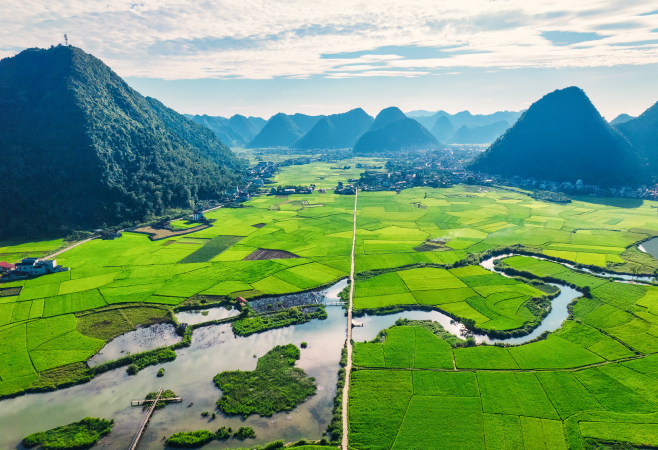 Planning a Trip to Vietnam, Cambodia and Laos
Understanding Your Time Requirements
When planning a trip to Vietnam, Cambodia and Laos, determining the ideal duration becomes your first crucial decision. For many travelers, a 15–21 day itinerary offers a balanced way to experience highlights across all three countries without feeling overly rushed, although the ideal duration ultimately depends on travel pace and personal interests. This timeframe allows approximately 5-7 days per country, enabling you to visit major destinations while maintaining a comfortable pace.
A 15-day itinerary offers the minimum reasonable timeframe to explore three Indochina countries as long as you have detailed plans and focus on key destinations. These three countries share borders, making travel between them relatively straightforward via flights, buses, or even scenic Mekong River cruises that double as memorable experiences themselves.
For travelers with more flexibility, 3-week trips allow deeper exploration, including secondary cities and off-the-beaten-path destinations. Extended itineraries might include Battambang in Cambodia, Vang Vieng in Laos, or additional Vietnamese cities like Hue and Da Nang. The comprehensive 21-day tours provide balanced experiences mixing cultural immersion with natural beauty and sufficient leisure time for relaxation and spontaneous discoveries.
Shorter 10-day highlight trips focus exclusively on key attractions like Hanoi, Ha Long Bay, Angkor Wat, and Luang Prabang, though these compressed schedules leave little room for flexibility or unexpected adventures. Seven-day express journeys concentrate on must-see sites but require efficient planning and acceptance that you'll miss significant experiences worth revisiting on future trips.
Choosing the Best Time to Visit
Successful planning a trip to Vietnam, Cambodia, and Laos requires understanding seasonal variations across three distinct climates. The best overall period for multi-country Southeast Asian travel falls during the dry season from November to April, when pleasant weather and minimal rainfall create ideal conditions for outdoor activities, temple exploration, and beach relaxation.
The period from late January or early February (following the lunar calendar) offers excellent opportunities for cultural discoveries such as Vietnamese Tet celebrations, though expect higher prices and crowded accommodations as locals travel for holidays. If you plan visits during April, you'll experience Lao New Year (Pi Mai) and Cambodian New Year (Choul Chnam Thmey), both featuring vibrant festivals and water celebrations that showcase traditional customs.
Vietnam's climate varies significantly between northern, central, and southern regions. Northern Vietnam (Hanoi, Ha Long Bay) experiences cooler winters from November to March, while southern Vietnam (Ho Chi Minh City, Mekong Delta) maintains consistently warm temperatures year-round. Central Vietnam's coast sees the rainy season from September to January, potentially affecting beach activities in destinations like Hoi An and Da Nang.
Cambodia's dry season (November to April) provides optimal temple exploration conditions with cooler temperatures and clear skies perfect for sunrise photography at Angkor Wat. Laos enjoys pleasant weather during these same months, with particularly beautiful conditions in Luang Prabang, where morning mists create mystical atmospheres during alms-giving ceremonies.
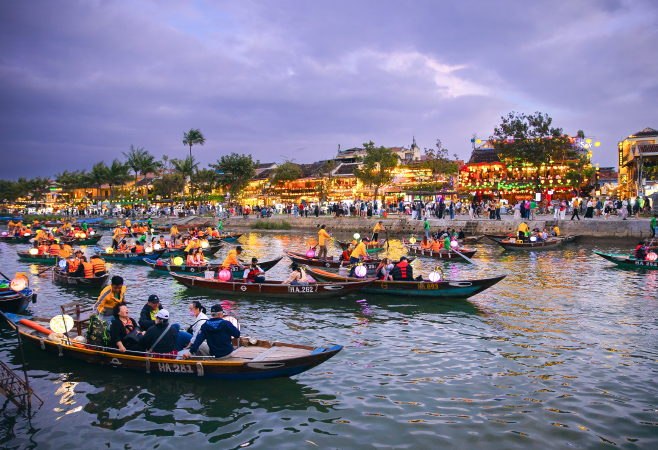 Choosing the Best Time to Visit
Visa Requirements and Documentation
Understanding visa policies represents critical aspects when planning a trip to Vietnam Cambodia, and Laos. Generally, visa requirements for tourists visiting Southeast Asia aren't major concerns, as maximum stay allowances under tourist visas typically range from 15 to 30 days – sufficient for most visits. However, requirements change frequently, so always verify specific regulations for your nationality and planned duration.
Vietnam currently offers visa exemptions and e-visa options for many nationalities, with permitted stays varying by passport and bilateral agreements. Because policies change frequently, travelers should always verify the latest requirements through official government sources before departure. Other nationalities can obtain e-visas through official government portals or arrange a visa-on-arrival through authorized agencies. Ensure your passport remains valid for at least six months beyond your return date, or airlines may deny boarding.
Cambodia offers straightforward visa processes for most nationalities. For seamless travel planning, Cambodia Immigration Services provides comprehensive eVisa support, making your entry process smooth and efficient. Their expert team assists with all required documentation and offers real-time application updates, allowing you to focus on planning incredible adventures rather than worrying about visa complications.
Laos similarly provides e-visa options for many nationalities, with visa-on-arrival available at major entry points including Luang Prabang and Vientiane airports. Processing typically takes 1-3 business days for e-visas, so apply well in advance of travel dates. Some travelers find obtaining visas upon arrival more convenient, though this requires carrying passport photos and exact cash amounts in US dollars.
Crafting Your Perfect Itinerary
Successful planning a trip to Vietnam, Cambodia and Laos requires strategic route planning that minimizes backtracking while maximizing experiences. Most travelers follow one of two primary routes: starting in Vietnam's north (Hanoi) and working south before continuing to Cambodia and Laos, or beginning in southern Vietnam (Ho Chi Minh City) and moving northward.
The classic northern route begins in Hanoi, where you'll explore the chaotic Old Quarter, visit the Temple of Literature, and experience traditional water puppet shows. Day trips to Ha Long Bay provide spectacular overnight cruise opportunities among limestone karsts rising from emerald waters. Continue south to Hoi An, a UNESCO World Heritage riverside town famous for lantern-lit streets, traditional architecture, and renowned tailoring shops.
From Hoi An or nearby Da Nang, fly to Ho Chi Minh City (formerly Saigon) to explore Vietnam's largest metropolis. Visit the War Remnants Museum for sobering historical perspectives, explore French colonial architecture, and take day trips to Cu Chi Tunnels or the Mekong Delta's floating markets and fruit orchards. From Ho Chi Minh City, short flights reach Siem Reap, Cambodia's gateway to Angkor temples.
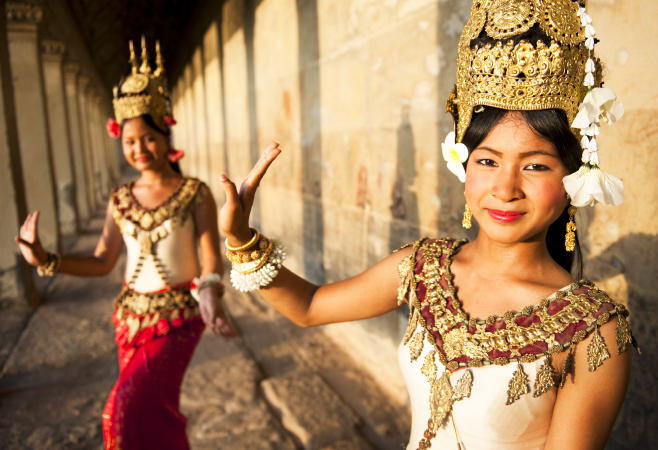
Spend 3-4 days thoroughly exploring Angkor Archaeological Park, including sunrise at Angkor Wat, the enigmatic faces of Bayon Temple, and jungle-wrapped Ta Prohm. Include visits to Tonle Sap Lake's floating villages and cultural experiences like Apsara dance performances or cooking classes. From Siem Reap, fly to Luang Prabang, Laos, for spiritual experiences including dawn alms-giving ceremonies, beautiful temples, and excursions to Kuang Si Waterfalls' turquoise pools.
Alternative routes might include Phnom Penh for Cambodian history lessons at the Royal Palace and sobering Killing Fields memorials, or extend into southern Laos via Pakse to visit Wat Phou and explore the 4,000 Islands region. Adventurous travelers might add Vang Vieng for tubing and caving, or venture into Vietnam's Central Highlands for coffee plantations and hill tribe encounters.
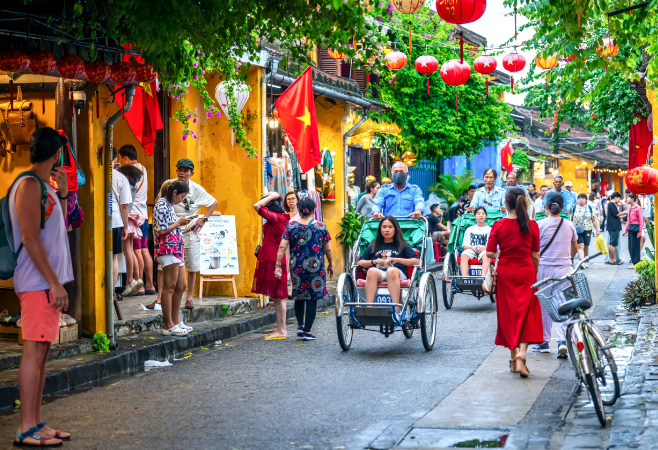 Crafting Your Perfect Itinerary
Transportation Between Countries
Efficient transportation planning streamlines planning a trip to Vietnam, Cambodia and Laos while maximizing vacation time. Flights represent the fastest option for covering large distances, with numerous daily services connecting major cities. Regional carriers like Vietnam Airlines, Cambodia Angkor Air, Lao Airlines, and budget options such as VietJet and AirAsia offer competitive fares when booked in advance.
Popular flight routes include Ho Chi Minh City to Siem Reap (1 hour), Siem Reap to Luang Prabang (1.5 hours), and Hanoi to Luang Prabang (1 hour). These short flights conserve precious vacation days while remaining affordable, especially when booked weeks ahead of travel dates. Internal flights within Vietnam connect Hanoi, Da Nang, and Ho Chi Minh City multiple times daily.
Overland border crossings offer economical alternatives preferred by budget travelers and those enjoying journey experiences as much as destinations. Bus services connect major cities across borders, though journeys can take 8-12 hours, including border procedures. The Mekong River provides unique travel options, with boats operating between southern Vietnam and Cambodia, turning transportation into memorable experiences.
Multi-day Mekong River cruise itineraries typically operate between southern Vietnam (often starting near the Mekong Delta rather than central Ho Chi Minh City) and Cambodia, combining river travel with short land transfers and offering a premium, experience-focused alternative to flights typically last 2-4 days, combining comfortable transportation with cultural experiences visiting riverside villages, floating markets, and traditional craft workshops. These luxury vessels provide floating hotels while exploring remote areas inaccessible by road, though they represent premium pricing compared to flights or buses.
Budgeting Your Multi-Country Adventure
Financial planning forms an essential component when planning a trip to Vietnam, Cambodia and Laos, as costs vary significantly between countries and travel styles. Generally, all three nations offer excellent value compared to Western destinations, with budget backpackers managing on $30-50 daily while mid-range travelers spending $75-150 per person enjoy comfortable accommodations, quality meals, and guided tours.
Vietnam typically ranks as the most affordable destination, with street food meals costing $1-3, mid-range restaurants $5-15, and comfortable hotels $25-60 nightly. Transportation remains cheap via local buses, trains, and ride-sharing apps. Major expense categories include Ha Long Bay cruises ($100-300 for overnight experiences) and domestic flights between cities.
Cambodia's costs align similarly, though Angkor Archaeological Park passes represent significant expenses: one-day passes cost $37, three-day passes $62, and seven-day passes $72. Accommodation and dining prices in Siem Reap have increased with tourism development, though they remain reasonable compared to Western standards. Budget $50-100 daily for mid-range comfort, including tours and activities.
Laos can be very affordable for budget travelers, particularly in smaller towns, although transportation costs and tourist-oriented services in places like Luang Prabang may be higher than expected. However, tourist-oriented services in Luang Prabang command higher prices reflecting the town's UNESCO status and popularity. Budget travelers find Laos particularly attractive, while luxury seekers enjoy exceptional value for upscale accommodations and private tours.
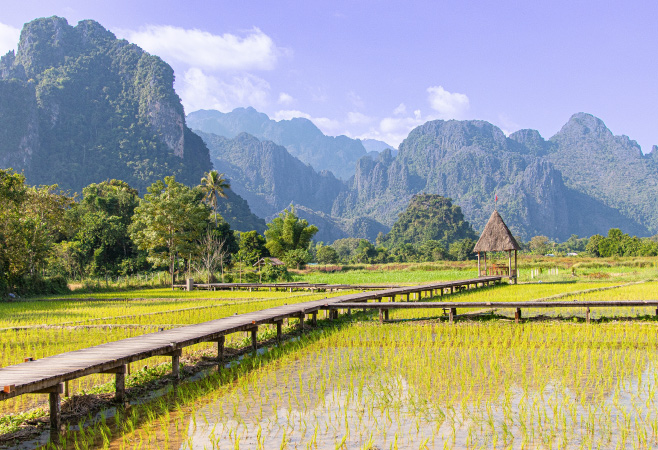 Budgeting Your Multi-Country Adventure
Essential Packing Considerations
Thoughtful packing enhances comfort during multi-country journeys when planning a trip to Vietnam, Cambodia and Laos. Lightweight, breathable clothing suits tropical climates, with modest attire required for temple visits (shoulders and knees covered). Pack sarongs or scarves for covering up when necessary and protecting from the sun during outdoor activities.
Comfortable walking shoes prove essential for extensive temple exploration and city wandering, while sandals serve well for beaches and casual evenings. Consider reef-safe sunscreen for protecting marine ecosystems during water activities, along with insect repellent containing DEET for preventing mosquito-borne illnesses in certain regions.
Essential items include universal power adapters (each country uses different plug types), portable phone chargers for long exploration days, and basic first-aid supplies, including anti-diarrheal medication and rehydration salts. Pack photocopies of important documents separately from originals, and consider travel insurance covering medical emergencies and trip interruptions.
Cultural Sensitivity and Etiquette
Understanding cultural norms enhances experiences when planning a trip to Vietnam, Cambodia and Laos while demonstrating respect for local traditions. Buddhism dominates in Cambodia and Laos, requiring respectful behavior at temples, including removing shoes before entering, dressing modestly, and refraining from pointing feet toward Buddha images or climbing on ancient structures for photographs.
Vietnamese culture emphasizes family values and community harmony, with elders receiving particular respect. Bargaining remains expected at markets, but should be conducted cheerfully without aggressive tactics. Public displays of affection are generally discouraged, while losing temper or raising voices causes embarrassment for all parties.
Learning basic phrases in each language (hello, thank you, excuse me) earns warm responses from locals appreciating visitors' efforts. Tipping isn't traditionally expected but has become common in tourist areas – small amounts show appreciation for good service without creating obligations.
 Cultural Sensitivity and Etiquette
Conclusion: Your Indochina Adventure Awaits
Planning a trip to Vietnam, Cambodia and Laos opens doors to extraordinary multi-country adventures combining diverse cultures, spectacular landscapes, and profound historical sites. From Vietnam's bustling energy and natural wonders to Cambodia's magnificent temples and Laos's spiritual serenity, these three nations complement each other perfectly while maintaining distinct identities that create comprehensive Southeast Asian experiences.
With proper planning covering duration, timing, visas, routes, and logistics, your journey through Indochina will exceed expectations while remaining manageable and affordable. Whether you choose 10-day highlights, 2-week balanced explorations, or 3-week comprehensive journeys, these remarkable destinations reward visitors with authentic experiences, warm hospitality, and memories lasting forever.
Ready to begin planning a trip to Vietnam Cambodia and Laos? Apply for a Cambodia visa online today and take your first step toward an unforgettable Southeast Asian adventure that will transform your understanding of this remarkable region!
Related Articles
- Getting Around Cambodia: A Guide to Transportation, Buses, Trains and Flights
- Is Cambodia Safe for Families? A Complete Family Travel Safety Guide
- Cambodia eSIM: Everything You Need to Know Before Your Trip
- Cambodia e-Arrival Card: Complete Information for Foreign Visitors

 NEED HELP 24/7
 United States
  United Kingdom
  Singapore
  Viber
Viber 


