

Ultimate Guide: Things to Buy in Siem Reap - Discover Cambodia's Temple Town Treasures in 2026
 By Axel Donovan
| Update on: Jan 19, 2026
By Axel Donovan
| Update on: Jan 19, 2026
Siem Reap, Cambodia's enchanting gateway to the legendary Angkor Wat temple complex, offers far more than ancient stone monuments. The incredible things to buy in Siem Reap transform this historic city into a shopper's paradise where centuries-old craftsmanship traditions thrive alongside contemporary artistic innovations. From the world's rarest lotus silk to traditional stone carvings, from bustling night markets to serene artisan workshops, Siem Reap delivers shopping experiences that connect travelers with Cambodia's rich cultural heritage while supporting local artisans and preserving traditional crafts that have survived for generations.
- Why Siem Reap Stands Out as Cambodia's Premier Shopping Destination
- Lotus Silk: One of Cambodia’s Most Distinctive Luxury Textiles
- Traditional Cambodian Silk Products from Angkor Silk Farm
- Traditional Krama Scarves: Cambodia's Cultural Icon
- Stone and Wood Carvings Inspired by Angkor Temples
- Contemporary Cambodian Art and Paintings
- Handcrafted Silver Jewelry and Accessories
- Authentic Cambodian Spices and Food Products
- Fair Trade Handicrafts and Social Enterprise Products
- Natural Beauty Products and Organic Skincare
- Pottery and Ceramic Artworks
- Shopping at Siem Reap's Vibrant Markets and Night Markets
- Planning Your Siem Reap Shopping Adventure
- Essential Shopping Tips and Bargaining Strategies
- Conclusion: Bringing Siem Reap's Treasures Home
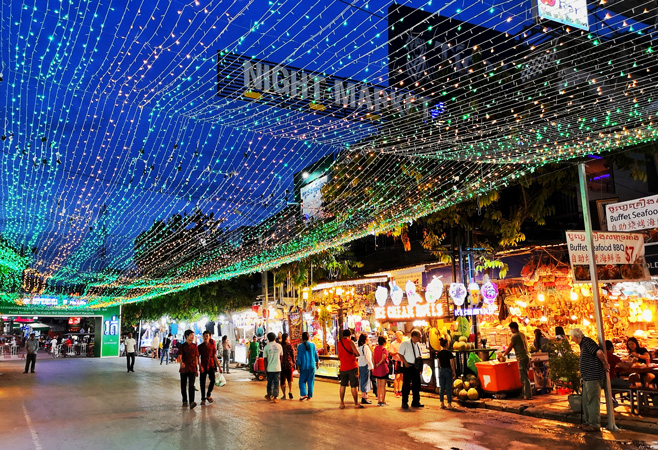 Things to Buy in Siem Reap
Why Siem Reap Stands Out as Cambodia's Premier Shopping Destination
Siem Reap's unique position as Cambodia's cultural and tourism capital has cultivated an exceptional shopping environment where authentic handicrafts coexist with modern boutiques. The things to buy in Siem Reap reflect the city's dual character – deeply rooted in Khmer traditions while embracing innovation and sustainability. What makes shopping in Siem Reap truly extraordinary is the opportunity to witness artisans at work, participate in hands-on workshops, and purchase directly from craftspeople who pour their heritage and skills into every handmade product.
The city's diverse shopping venues range from the historic Old Market, where locals have traded for generations, to contemporary art galleries showcasing cutting-edge Cambodian creativity. This remarkable diversity ensures that every visitor, regardless of budget or preference, discovers meaningful souvenirs that tell authentic stories about Cambodian culture, history, and artistic excellence.
Lotus Silk: One of Cambodia’s Most Distinctive Luxury Textiles
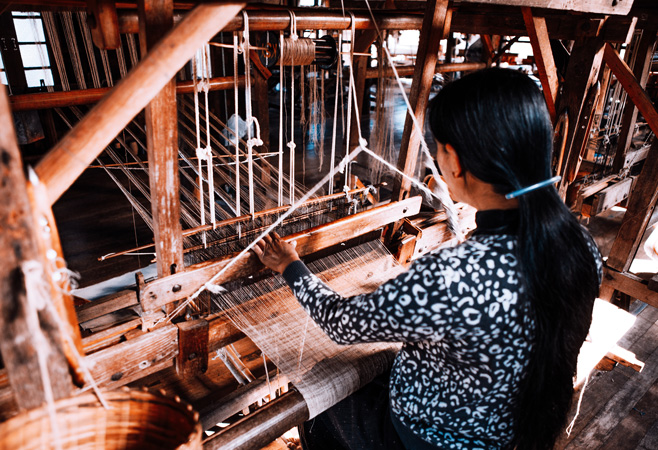
At the pinnacle of things to buy in Siem Reap, lotus silk products represent the ultimate in luxury textiles and uniquely Cambodian craftsmanship. Lotus Silk Farm near Phnom Krom has revolutionized this ancient technique, demonstrating the extraordinary 21-step process of extracting silk-like fibers from lotus stems – a rare and labor-intensive craft practiced by a small number of specialized artisan groups. The lotus silk farm offers guided tours where visitors witness skilled women artisans transforming lotus stems into precious threads that luxury fashion houses worldwide covet for their softness, sustainability, and extraordinary beauty.
The process begins with harvesting lotus stems from carefully cultivated ponds, followed by meticulous hand-extraction of delicate fibers that measure only fractions of a millimeter in diameter. These fibers are then twisted into threads, naturally dyed using traditional methods, and woven on traditional looms into textiles that shimmer with subtle golden hues. A single lotus silk scarf can require thousands of lotus stems, which explains the time and cost involved and can take weeks to complete, explaining why vary widely depending on the item and complexity, with lotus silk generally positioned as a premium handicraft often priced in the hundreds of US dollars.
Beyond scarves and clothing, the Lotus Silk Farm produces jewelry crafted from lotus seeds, cosmetics infused with lotus extracts, and lotus tea that visitors can sample during rooftop terrace tours overlooking the picturesque countryside. The farm operates as a social enterprise employing local women and promoting sustainable textile production that respects natural cycles while preserving traditional Cambodian techniques that date back centuries.
What makes lotus silk purchases particularly meaningful is the direct support they provide to rural communities and environmental conservation efforts. Every purchase helps maintain Cambodia's lotus pond ecosystems while providing sustainable income for families who might otherwise face economic hardship in changing agricultural markets.
 Lotus Silk: One of Cambodia’s Most Distinctive Luxury Textiles
Traditional Cambodian Silk Products from Angkor Silk Farm
While lotus silk represents the pinnacle of luxury, traditional Cambodian silk products remain among the most popular things to buy in Siem Reap for travelers seeking authentic textiles at more accessible price points. The Artisans Angkor operates workshops in Siem Reap town, while its silk farm located outside the city allows visitors to see the full silk production process, from silkworm cultivation through weaving on traditional looms, offering free guided tours that educate visitors about Cambodia's silk heritage and the intricate Cambodian Ikat weaving technique that creates distinctive patterns.
The organization was founded in 1992 to revitalize traditional Khmer craftsmanship while providing vocational training for rural youth. Founded in 1992, Artisans Angkor is a major social enterprise supporting traditional Khmer crafts and vocational training across Siem Reap Province. Their signature product, the Hôl Lboeuk scarf worn during Cambodian ceremonies, can require 30 days of meticulous work to complete, showcasing the patience and skill that define Cambodian textile traditions.
Visitors to Artisans Angkor's main workshop can observe every stage of silk production, from mulberry trees that feed silkworms to raw cocoons soaked in hot water, complex dyeing processes using natural colors, and the hypnotic rhythm of traditional looms creating intricate patterns. The workshop's showroom offers extensive collections of silk scarves, traditional sampots, contemporary fashion pieces, and home textiles that range from $15 for basic items to several hundred dollars for elaborate hand-woven masterpieces.
The quality of Cambodian silk products from Artisans Angkor justifies slightly higher prices compared to market vendors, with the additional benefit of supporting an organization that provides fair wages, professional training, and social benefits to artisans who maintain these endangered traditional crafts. Many products come with certification of authenticity and information about the artisan who created them, adding personal connections to purchases.
Traditional Krama Scarves: Cambodia's Cultural Icon
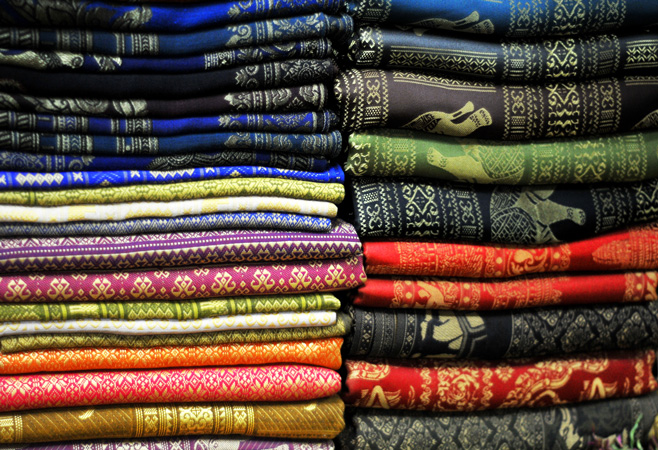
No exploration of things to buy in Siem Reap would be complete without discovering the iconic krama, Cambodia's traditional checked cotton scarf that serves as perhaps the most versatile and culturally significant textile in the country. These distinctive scarves have been worn by Cambodians for centuries, transcending social boundaries and serving countless practical purposes from head coverings and shoulder wraps to baby slings, hammocks, and fashion accessories that every Cambodian considers essential.
Kramas come in extraordinary variety, from simple checked designs in traditional red-and-white or blue-and-white patterns to elaborate contemporary versions featuring intricate borders, modern color combinations, and even silk variations that elevate this humble garment to luxury status. The Old Market and Siem Reap Art Center Market offer the city's best krama selections, with dozens of vendors displaying hundreds of variations that allow shoppers to find perfect matches for every taste and budget.
Prices reflect the dramatic quality differences between basic cotton kramas and premium silk versions. Simple cotton scarves start at just $1 in local markets, making them perfect budget souvenirs or gifts for multiple recipients. Mid-range cotton kramas with better quality fabric and more intricate weaving patterns cost $3-8, while premium silk kramas from specialized weavers can command $20 or more for exceptional examples featuring traditional Ikat patterns or contemporary artistic designs.
The krama's cultural significance extends beyond its practical versatility. For Cambodians, wearing a krama represents national pride and cultural identity that survived even the darkest periods of recent history. By purchasing and wearing kramas, travelers participate in keeping this living cultural tradition vibrant while supporting the weavers who maintain these time-honored techniques in their family workshops and village cooperatives.
 Traditional Krama Scarves: Cambodia's Cultural Icon
Stone and Wood Carvings Inspired by Angkor Temples
The magnificent Angkor temple complex naturally inspires one of the most popular categories of things to buy in Siem Reap – intricate stone and wood carvings that reproduce iconic temple architecture, deities, and decorative motifs in miniature forms. Skilled artisans throughout Siem Reap create everything from small Buddha statues and Apsara dancer figures to elaborate temple replicas and architectural fragments that allow travelers to take home pieces of Angkorian artistry.
The Siem Reap Art Center Market, located on the Siem Reap River's east bank opposite the Old Market, specializes in artistic souvenirs with numerous vendors selling stone carvings, wood sculptures, and traditional Cambodian art created by local craftspeople. Many artisans work on-site, allowing visitors to observe carving techniques passed down through families for generations and creating opportunities to commission custom pieces with specific designs or dimensions.
Stone carvings range from small decorative pieces starting around $10 to substantial sculptures weighing several kilograms and costing hundreds of dollars. Popular items include Buddha heads in various traditional poses, Apsara dancers in flowing costumes, Naga serpent designs that protect Khmer temples, and miniature recreations of Angkor Wat's iconic five towers that serve as instantly recognizable symbols of Cambodia.
Wood carvings offer lighter, more portable alternatives with prices generally lower than stone equivalents. Skilled woodworkers create everything from decorative wall hangings and jewelry boxes to functional items like salad servers and ceremonial masks. The Old Market's interior sections feature numerous wood carving vendors offering extensive selections that make comparison shopping easy and potentially profitable for patient bargainers.
When purchasing carvings, examine craftsmanship quality carefully, checking for smooth finishes, accurate proportions, and appropriate detail levels that distinguish artisan work from mass-produced tourist items. Authentic handcrafted pieces show slight variations and individual character marks that machine-made reproductions cannot replicate, adding value and uniqueness to purchases.
Contemporary Cambodian Art and Paintings
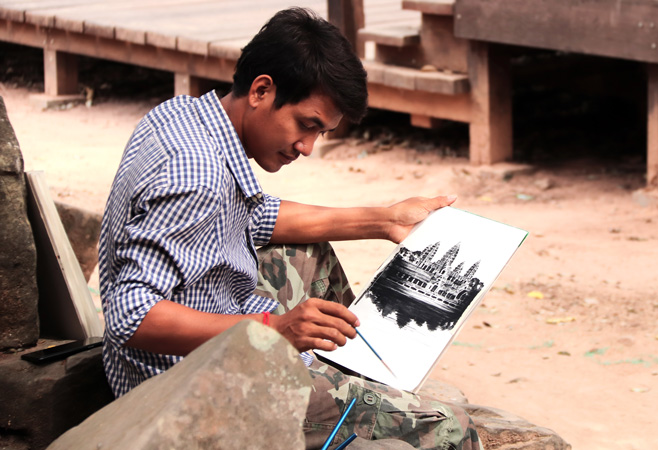
Art enthusiasts exploring things to buy in Siem Reap discover a vibrant contemporary art scene alongside traditional paintings depicting iconic Cambodian scenes. Local artists create beautiful works ranging from classical temple paintings and rural life scenes to abstract contemporary pieces that reflect Cambodia's dynamic cultural evolution and complex modern identity shaped by both ancient heritage and recent history.
The Siem Reap Art Center Market features numerous stalls selling paintings at various price points, from affordable prints costing $10-20 to original oil paintings and watercolors by established artists commanding prices of $100-150 or more. At the market's back section, talented artists hand-paint t-shirts with Angkor temple designs and other prints onto high-quality fabrics, creating wearable art pieces that combine practicality with artistic expression at very reasonable prices.
Common painting subjects include Angkor Wat rendered at various times of day with different lighting effects, traditional Apsara dancers in elaborate costumes performing classical movements, rural village scenes depicting daily life in Cambodia's countryside, Buddhist iconography featuring Buddha images and sacred symbols, and increasingly, contemporary abstract works exploring themes of identity, memory, social change, and cultural preservation through innovative artistic expressions.
For serious art collectors, Siem Reap's emerging gallery scene offers opportunities to discover contemporary Cambodian artists working in various mediums beyond traditional painting. Galleries throughout the city regularly host exhibitions featuring local artists who explore contemporary themes while maintaining connections to Cambodian cultural roots, creating dialogue between tradition and innovation.
When purchasing paintings from markets, examine quality carefully to distinguish hand-painted originals from printed reproductions often sold as "paintings" at tourist markets. Original works display visible brush strokes, paint texture variations, and color depth that prints cannot replicate. Reputable vendors clearly disclose whether pieces are originals or reproductions, allowing informed purchasing decisions that ensure satisfaction with acquisitions.
 Contemporary Cambodian Art and Paintings
Handcrafted Silver Jewelry and Accessories
Traditional Cambodian silver jewelry represents another category of exceptional things to buy in Siem Reap, showcasing centuries of metalworking traditions that produce intricate designs blending ancient Khmer motifs with contemporary aesthetics. Cambodian silversmiths create exquisite pieces featuring designs inspired by Angkorian temple decorations, traditional dance costumes, and natural motifs like lotus flowers and mythical creatures from Khmer mythology that carry deep cultural significance.
The Old Market houses numerous jewelry vendors specializing in silver ornaments, though buyers should exercise caution and carefully evaluate craftsmanship quality before purchasing. The Khmer Ceramic Center and various specialty boutiques throughout Siem Reap offer higher-quality silver jewelry with greater assurance of authenticity and superior craftsmanship that justifies premium prices through exceptional detail work and proper silver content verification.
Popular silver jewelry items include necklaces featuring traditional pendant designs, bracelets with intricate surface patterns, rings adorned with cultural symbols, and earrings showcasing miniature Apsara dancers or temple architectural elements. Beyond personal adornments, decorative silver items like ornamental trays, betel nut boxes, and ceremonial bowls serve as functional art pieces for home decoration that combine utility with artistic beauty.
When shopping for silver jewelry in Siem Reap, examine pieces carefully for quality indicators including smooth finishes, secure clasps, proper weight consistent with silver content claims, and hallmarks indicating silver purity when available. Don't hesitate to negotiate prices in markets, where initial asking prices often start significantly higher than sellers expect to receive. Established boutiques with fixed prices provide peace of mind through certificates of authenticity and guaranteed quality standards.
Authentic Cambodian Spices and Food Products
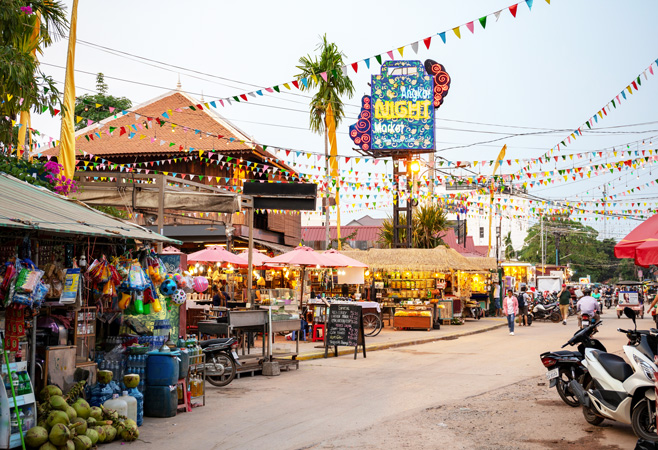
Culinary enthusiasts find exceptional things to buy in Siem Reap among the city's diverse selection of authentic Cambodian spices and specialty food products. While Siem Reap doesn't grow Kampot pepper locally, numerous vendors throughout the city sell this world-renowned spice alongside other Cambodian culinary treasures that allow travelers to recreate Khmer flavors after returning home.
Kampot pepper remains the most sought-after Cambodian spice, available in four varieties – black, white, red, and green – each offering unique flavor profiles that appeal to culinary enthusiasts worldwide. The spice can be purchased at Old Market, night markets, and specialty food shops including Senteurs d'Angkor, which operates two locations in Siem Reap offering certified authentic Kampot pepper along with extensive selections of Cambodian spices, teas, and culinary products.
Beyond Kampot pepper, other notable food products include Cambodian palm sugar derived from the country's national tree, offering distinctive caramel-like sweetness with lower glycemic index compared to refined sugars. The sugar typically sells in round tablet form at markets for approximately $1 per package. Local coffee from highland provinces like Mondulkiri and Ratanakiri has emerged as specialty products worth seeking out, with boutique roasters in Siem Reap producing excellent single-origin coffees packaged attractively for gifts.
Sombai Liqueur, located in a stunning traditional Khmer house, offers unique home-made rice liqueurs infused with various fruits, spices, and herbs including cinnamon, mangoes, star anise, and red chilies. Visitors can sample a wide range of Sombai’s signature infused liqueurs, often followed by optional cocktail experiences before selecting favorites to purchase as distinctive souvenirs that capture Cambodia's tropical fruit abundance and creative culinary spirit. The shop also offers cocktail classes where participants learn to create drinks using Sombai's delicious liqueurs.
 Authentic Cambodian Spices and Food Products
Fair Trade Handicrafts and Social Enterprise Products
Among the most meaningful things to buy in Siem Reap, fair trade handicrafts and social enterprise products offer opportunities to support vulnerable communities while acquiring beautiful, high-quality items. The Fair Trade Village, featuring handmade treasures from over 20 artisan groups and hundreds of talented craftsmen across Cambodia, represents the only permanent location exclusively retailing genuine Cambodian-made handicrafts certified by the Angkor Handicraft Association, ensuring that mass-produced goods never appear among their authentic offerings.
The Angkor Handicraft Association operates as a fair-trade market where 100% of profits return directly to artisans, their families, and local communities rather than middlemen or large businesses. Visitors can observe local artisans working on their products, learn about traditional Khmer crafting techniques, and participate in various workshops that provide hands-on experience with traditional crafts. Available items include handwoven silk, silverware, stone and bronze statues, paintings, and bags that represent authentic Cambodian craftsmanship at its finest.
Artisans Angkor, beyond its silk production, operates multiple boutiques throughout Siem Reap selling high-quality handicrafts including wood carvings, stone sculptures, and lacquerware created through their extensive vocational training programs. The organization's commitment to fair wages, professional development, and artisan welfare makes purchases meaningful investments in both beautiful products and positive social impact.
Smateria, a women-owned business established in 2006, specializes in unique fashion accessories and bags created from recycled materials including upcycled cement sacks, rice bags, and other repurposed textiles. Their creative designs demonstrate how sustainability and style combine beautifully, producing products that make excellent gifts while supporting environmental consciousness and women's economic empowerment in Cambodia.
Natural Beauty Products and Organic Skincare
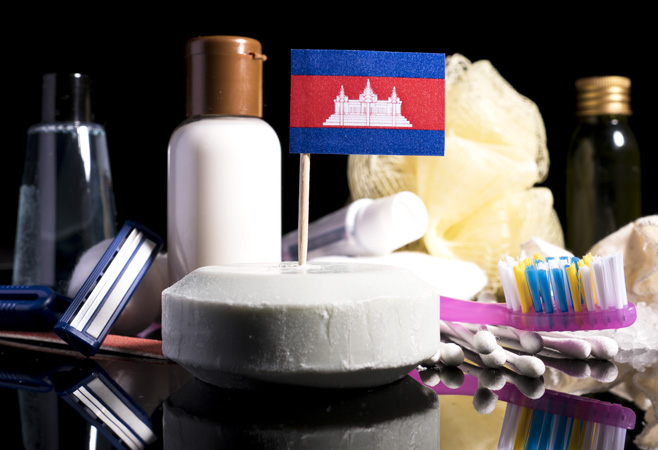
Wellness-conscious travelers find exceptional things to buy in Siem Reap among locally produced organic skincare and natural beauty products that capture Cambodia's aromatic botanical heritage. Senteurs d'Angkor, founded in 1999 as one of Cambodia's most respected beauty brands, offers extensive ranges of locally made products including home fragrances, natural soaps, candles, and spa treatments inspired by traditional Khmer beauty practices using ingredients like jasmine, lemongrass, coconut, and mineral-rich local clays.
The brand operates two locations in Siem Reap – a main shop on Preah Sangreach Tep Vong Street open daily from 8:30am-5:30pm, and a larger Workshop and Garden location offering extended hours until 10:30pm where visitors can tour production facilities and gardens that grow many ingredients used in their products. The workshop tours provide fascinating insights into traditional beauty product creation methods while allowing visitors to see, smell, and test products before purchasing.
Product offerings range from $3-4 for basic soaps to $30 or more for comprehensive gift sets beautifully packaged in traditional silk bags or elegant wooden boxes. Popular items include coconut body butter infused with frangipani flowers, lemongrass massage oil, tamarind body scrub that exfoliates gently using traditional ingredients, and jasmine-scented soaps that capture the essence of Cambodia's tropical gardens in compact, travel-friendly formats.
These natural beauty products make excellent gifts for friends and family back home, offering practical luxury items that evoke memories of Cambodia through their distinctive scents and textures. The products' natural ingredient profiles and sustainable production methods appeal to environmentally conscious consumers seeking alternatives to mass-produced commercial beauty products filled with synthetic chemicals.
 Natural Beauty Products and Organic Skincare
Pottery and Ceramic Artworks
Unique among things to buy in Siem Reap, traditional Cambodian pottery and contemporary ceramic artworks showcase ancient techniques revived and reimagined for modern tastes. The Khmer Ceramic Center, founded in 2006, offers deep insights into ancient ceramic arts and culture from the early 9th through 15th centuries while displaying top-quality handmade ceramic items including jars, cosmetic bottles, serving bowls, decorative pieces, tableware, oil burners, and accessories.
Located along Charles de Gaulle Boulevard, the center operates both as a museum and boutique store where visitors can purchase beautiful ceramics while learning about historical techniques that produced the masterpieces found in Angkor temple sites. The center also offers pottery and ceramic painting classes starting at $20 that include English-speaking instruction, free gifts, hotel transfers, and refreshments, providing hands-on creative experiences that result in personalized souvenirs.
Alley West in downtown Siem Reap features charming ceramic shops including boutiques with quaint blue shutters and distressed brickwork that create Instagram-worthy shopping destinations. These intimate shops showcase wonderful pieces of handmade pottery and ceramics alongside other gift ideas, often featuring work by individual potters who maintain studios where they create custom commissions.
Traditional Cambodian pottery techniques produce distinctive brown-glazed earthenware vessels, while contemporary ceramics incorporate colorful glazes and modern designs that appeal to international tastes. Prices vary dramatically based on size, complexity, and artist reputation, from small decorative pieces starting around $10 to substantial art ceramics costing several hundred dollars.
Shopping at Siem Reap's Vibrant Markets and Night Markets
The dynamic shopping experience of things to buy in Siem Reap reaches its zenith at the city's numerous markets, each offering distinct character and merchandise selections. The Old Market (Phsar Chas), located between Pub Street and the riverside, serves as Siem Reap's commercial heart where locals and tourists mingle among stalls selling fresh produce, cooked food, souvenirs, local crafts, clothing, shoes, jewelry, and artwork in a bustling atmosphere that captures authentic Cambodian market culture.
The Made in Cambodia Market operates along Siem Reap Riverside on Tuesday, Saturday, and Sunday, offering vibrant outdoor market experiences with live cultural performances, tasty local food, and Cambodian souvenirs all set in traditional wooden market stalls that create atmospheric shopping environments. The market emphasizes locally produced products and traditional crafts, ensuring that purchases support Cambodian artisans and businesses rather than imported goods.
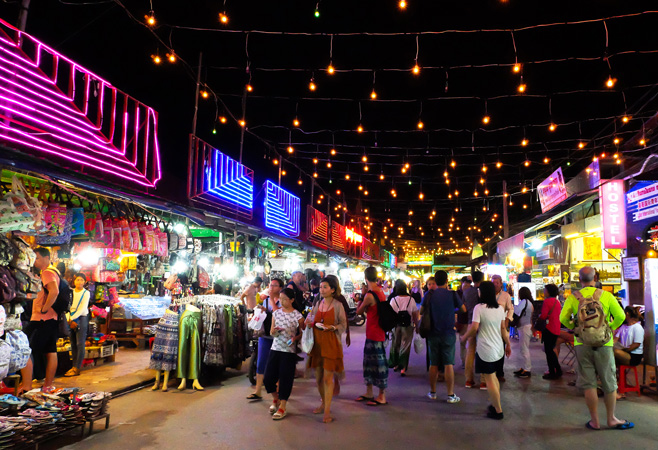
Siem Reap's night markets transform shopping into evening entertainment experiences. Siem Reap’s night markets are among the city’s most popular evening attractions, combining souvenir shopping with food and live entertainment.. Operating daily from 4:30pm-midnight, the night market allows visitors to shop during cooler evening hours while enjoying cultural entertainment.
The Noon Night Market serves as the second-oldest and second-largest night market in Siem Reap, located off Sivatha Boulevard near the original Angkor Night Market. While merchandise selections largely duplicate offerings at other night markets, Noon Night Market's competitive environment creates excellent opportunities for bargaining practice and testing negotiation skills with vendors who expect intense price discussions.
 Shopping at Siem Reap's Vibrant Markets and Night Markets
Planning Your Siem Reap Shopping Adventure
Before embarking on your exploration of things to buy in Siem Reap, proper planning ensures maximum enjoyment and successful treasure hunting. Understanding market locations, optimal shopping times, and transportation options helps create smooth, enjoyable experiences that maximize time and minimize frustration while navigating the city's diverse shopping venues.
The Old Market's central location makes it easily accessible from most hotels via short walks or $1-2 tuk-tuk rides. Night markets operate along Sivatha Boulevard and riverside areas, also within easy reach of central accommodations. For venues like Lotus Silk Farm (located 16 kilometers from Siem Reap near Phnom Krom), arrange tuk-tuk transportation for approximately $15-20 including waiting time and return journey, or consider booking organized tours that include transportation, guided visits, and sometimes additional attractions.
To fully enjoy your Siem Reap shopping experience, international visitors need valid Cambodian visas. For convenient and reliable visa processing, Cambodia Immigration Services provides comprehensive eVisa support services that simplify the application process for travelers worldwide. Their expert team assists with document preparation, provides real-time application updates, and ensures hassle-free entry into Cambodia for your shopping adventure in Siem Reap and beyond.
Early morning shopping between 7-9am offers cooler temperatures and smaller crowds at traditional markets, while night markets provide pleasant evening shopping when temperatures drop and festive atmospheres emerge. Many artisan workshops and specialty boutiques operate standard business hours from 9am-6pm, requiring daytime visits for optimal selection and personal service from knowledgeable staff.
For those ready to begin their Cambodian shopping adventure, you can apply for a Cambodia eVisa through a streamlined online process that eliminates traditional visa application complexities and ensures quick processing times for your Siem Reap visit.
Essential Shopping Tips and Bargaining Strategies
Successfully navigating Siem Reap's diverse shopping landscape requires understanding local customs and practical strategies that help travelers find the best things to buy in Siem Reap while supporting local businesses fairly. Bargaining remains standard practice in traditional markets and with street vendors, though boutiques and fair-trade shops typically maintain fixed prices that reflect fair compensation for artisans.
When bargaining in markets, begin by offering approximately 50-60% of the initial asking price, then negotiate politely toward middle ground that feels fair to both parties. Remember that vendors expect bargaining and often inflate initial prices accordingly, so negotiating isn't offensive but rather participates in traditional market culture. However, don't drive prices so low that artisans receive inadequate compensation for their work – aim for fair prices that acknowledge quality and labor rather than rock-bottom deals.
Carry small denomination US dollar bills and Cambodian riel for purchases, as vendors often lack change for large bills. Markets typically quote prices in dollars but may provide change in riel at varying exchange rates. Bringing exact amounts or small bills prevents confusion and ensures fair currency exchange on small transactions.
Examine quality carefully before purchasing, particularly for silk products, silver jewelry, and carvings where significant quality variations affect value dramatically. Ask vendors about production methods, materials used, and care instructions. Reputable sellers provide honest information and may offer demonstrations or explanations that help buyers understand what distinguishes quality products from inferior alternatives.
Consider shipping options for heavy or fragile purchases like large stone carvings or substantial pottery pieces. Many shops offer international shipping services, though costs can be significant. Alternatively, many hotels can arrange shipping through reliable services, or travelers can purchase additional luggage if cost-effective compared to shipping fees.
Conclusion: Bringing Siem Reap's Treasures Home
The extraordinary diversity of things to buy in Siem Reap ensures that every traveler discovers meaningful treasures reflecting Cambodia's rich artistic heritage, innovative craftsmanship, and cultural resilience. From the world's rarest lotus silk to traditional kramas worn by every Cambodian, from intricate stone carvings inspired by Angkor's magnificence to contemporary artworks exploring modern Cambodian identity, the city's shopping opportunities create lasting connections between visitors and this remarkable destination.
Shopping in Siem Reap transcends mere souvenir acquisition – it becomes cultural immersion that provides insights into Cambodian traditions, supports local artisans and social enterprises, and helps preserve endangered crafts that nearly disappeared during darker historical periods. Every purchase tells a story of resilience, creativity, and cultural preservation that makes acquisitions meaningful beyond their aesthetic or practical value.
Whether you're exploring the atmospheric lanes of Old Market, witnessing silk creation at lotus and traditional farms, or discovering contemporary creativity in boutique galleries, your Siem Reap shopping experiences will create memories as precious as the items you carry home. These tangible pieces of Cambodia forever remind you of the vibrant markets, skilled artisans, and rich cultural tapestry that makes Siem Reap one of Southeast Asia's most rewarding shopping destinations.
Start planning your Siem Reap shopping adventure today, and prepare to discover why this temple town has evolved into a premier destination for travelers seeking authentic, high-quality products that celebrate Cambodia's artistic excellence and cultural richness while supporting sustainable development and artisan communities that keep ancient traditions thriving in the modern world.
Related Articles
- Getting Around Cambodia: A Guide to Transportation, Buses, Trains and Flights
- Is Cambodia Safe for Families? A Complete Family Travel Safety Guide
- Cambodia eSIM: Everything You Need to Know Before Your Trip
- Cambodia e-Arrival Card: Complete Information for Foreign Visitors

 NEED HELP 24/7
 United States
  United Kingdom
  Singapore
  Viber
Viber 


