

Ultimate Guide: Things to Do in Kampong Speu - Discover Cambodia's Mountain of Joy in 2026
 By Axel Donovan
| Update on: Jan 20, 2026
By Axel Donovan
| Update on: Jan 20, 2026
Located on the eastern edge of the Cardamom Mountains, just southwest of Phnom Penh, Kampong Speu Province emerges as one of Cambodia’s most accessible and rewarding destinations for nature lovers and adventure seekers. The exceptional things to do in Kampong Speu offer perfect combinations of cool mountain retreats, community-based ecotourism, and authentic cultural experiences that remain refreshingly unspoiled by mass tourism. This captivating province, home to Cambodia's highest peak and the country's first national park, provides travelers with opportunities to escape tropical heat while exploring pristine pine forests, cascading waterfalls, and traditional rural communities that preserve centuries-old customs and sustainable living practices.
- Why Kampong Speu Stands as Cambodia's Hidden Nature Paradise
- Kirirom National Park: Cambodia's Mountain of Joy
- Chambok Community-Based Ecotourism: A Model Project
- Phnom Aural Trek: Conquering Cambodia's Highest Peak
- Ampe Phnom: Riverside Retreat and Cultural Site
- Agricultural Experiences and Palm Sugar Production
- Te Teuk Pus Hot Spring: Geothermal Relaxation
- Planning Your Kampong Speu Adventure
- Local Cuisine and Culinary Traditions
- Oudong Mountain: Historical and Spiritual Significance
- Conclusion: Discovering Authentic Cambodia in Kampong Speu
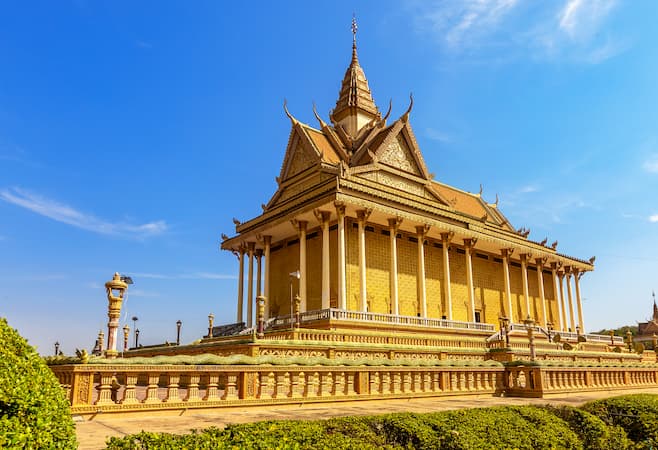 Things to Do in Kampong Speu
Why Kampong Speu Stands as Cambodia's Hidden Nature Paradise
Kampong Speu distinguishes itself from Cambodia's more touristed destinations through its unique combination of cool climate, dramatic topography, and commitment to sustainable tourism. The remarkable things to do in Kampong Speu encompass everything from trekking to Cambodia's highest mountain to participating in award-winning community ecotourism projects that directly benefit local villagers. Located just 48 kilometers from Phnom Penh along National Highway 4, this accessible province makes an ideal weekend escape from the capital or stopover destination for travelers heading to Sihanoukville's beaches.
What makes Kampong Speu truly extraordinary is its varied landscape – from extensive lowland rice paddies in the east to mountainous forested areas in the west, creating diverse ecosystems that support rare wildlife species and provide stunning scenery throughout the year. The province's commitment to conservation and sustainable development ensures that natural resources remain protected while local communities benefit economically from responsible tourism that respects both culture and environment.
Kirirom National Park: Cambodia's Mountain of Joy
The undisputed crown jewel among things to do in Kampong Speu, Kirirom National Park stands as Cambodia's first officially designated national park, established in the 1930s when King Monivong gave it the name "Kirirom," meaning "Mountain of Joy." Located approximately 117 kilometers southwest of Phnom Penh in Phnom Sruoch District, this magnificent park sits atop a plateau 675 meters above sea level, creating a refreshingly cool climate that offers welcome respite from Cambodia's tropical heat.
Spanning tens of thousands of hectares on the Cardamom plateau, Kirirom National Park features Cambodia's only extensive pine forests – a unique high-elevation ecosystem distinctly different from the country's typical tropical jungle. These vast groves of pine trees create atmospheric landscapes where morning mist rolls through towering trunks and cool breezes carry the distinctive scent of pine needles, creating experiences more reminiscent of temperate mountain regions than Southeast Asian tropics.
The park's network of well-maintained hiking trails provides opportunities for all fitness levels, from gentle forest walks to challenging treks that lead to panoramic viewpoints overlooking the Cardamom Mountains and distant coastal plains. These trails wind through pine forests dotted with wild orchids, past Buddhist shrines perched on rocky outcrops, and along streams that feed into spectacular waterfalls where visitors can swim in crystal-clear pools surrounded by pristine natural beauty.
Kirirom's most popular waterfall features multiple cascading tiers that create natural swimming pools perfect for cooling off after mountain hikes. The best time to visit these waterfalls is during or just after the rainy season (May through November) when water flow reaches impressive volumes and the surrounding vegetation achieves peak lushness. However, the dry season (November through April) offers more comfortable hiking conditions and clearer views from mountain viewpoints.
Beyond waterfalls and forests, Kirirom provides excellent opportunities for birdwatching, with the park hosting numerous endemic and migratory species that attract ornithologists from around the world. While larger wildlife like the endangered sun bears, gibbons, and tigers that historically roamed these forests now rarely appear, the diverse ecosystem supports smaller mammals, reptiles, and countless insect species that maintain the forest's ecological balance.
Modern amenities at Kirirom include camping facilities, picnic areas, and the Kirirom Hillside Resort near the park entrance, offering a wide variety of leisure activities offering resort-style recreational facilities such as restaurants, children’s play areas, small animal exhibits, cycling paths, canoeing, ziplining, and family-oriented attractions. These facilities allow visitors to combine nature exploration with comfortable accommodation and recreational activities suitable for families and groups.
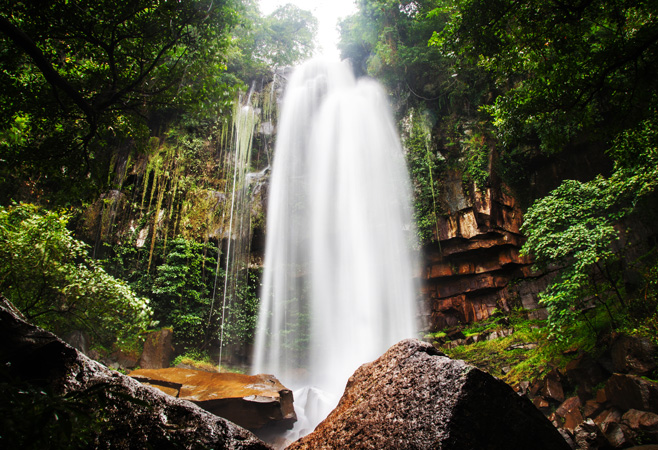 Kirirom National Park: Cambodia's Mountain of Joy
Chambok Community-Based Ecotourism: A Model Project
Among the most meaningful things to do in Kampong Speu, visiting the Chambok Community-Based Ecotourism site provides opportunities to engage with sustainable tourism that directly benefits local communities while supporting forest conservation. Located approximately 70 kilometers from Phnom Penh on the outskirts of Kirirom National Park, Chambok has earned recognition as one of Cambodia's most successful ecotourism projects since its establishment in 2002.
The Chambok initiative was developed by Mlup Baitong, a Cambodian environmental NGO, in cooperation with the Ministry of Environment to address deforestation and provide alternative livelihoods for villagers who previously depended on charcoal production from forest timber. Through community education programs demonstrating the value of forest preservation for future generations, residents transformed from forest exploiters into forest protectors, with ecotourism revenues providing sustainable income that makes conservation economically viable.
The commune of Chambok consists of nine villages where visitors can experience authentic rural Cambodian life through homestay accommodations hosted by local families. Dozens of homestays, trained local guides, cultural performer families, and community cooks benefit directly from the ecotourism program – representing significant proportions of the 851 families living in the commune.
The Chambok experience centers on a four-kilometer nature trek through protected forests leading to a spectacular 40-meter waterfall that ranks among Cambodia's most beautiful natural attractions. Along the journey, English-speaking local guides share extensive knowledge about the forest's biodiversity, including identification of medicinal plants, explanation of animal tracks, and insights into ecological relationships that sustain healthy forest ecosystems. The trek also includes visits to fascinating bat caves housing hundreds of inhabitants, creating memorable wildlife encounters in their natural habitat.
Additional activities include traditional ox-cart rides through village landscapes, bicycle rentals for exploring rural areas, picnicking beside forest streams, birdwatching expeditions, swimming at waterfalls and streams, and participating in traditional dance and music performances at the visitor center, where local youth showcase Khmer cultural heritage. Meals can be arranged in villagers' homes where local women prepare authentic Cambodian dishes using traditional recipes and ingredients grown in community gardens, creating intimate cultural exchanges that benefit both visitors and host families.
All revenues from Chambok ecotourism activities remain within the community, supporting forest protection programs while providing economic alternatives that reduce pressure on natural resources. This sustainable model has attracted international recognition and inspired similar projects throughout Cambodia, demonstrating how responsible tourism can benefit both conservation and community development simultaneously.
Phnom Aural Trek: Conquering Cambodia's Highest Peak
For adventure enthusiasts exploring things to do in Kampong Speu, trekking to Phnom Aural summit represents the ultimate challenge and reward. Rising to 1,813 meters (though some sources cite elevations between 1,667 and 1,771 meters), Phnom Aural stands as Cambodia's tallest peak, located in the northern reaches of Kampong Speu Province within the eastern Cardamom Mountains.
The trek to Phnom Aural requires multiple days and considerable physical fitness, traversing mountainous forests through varied terrain that includes steep ascents, stream crossings, and occasional challenging sections requiring careful navigation. However, the journey rewards trekkers with stunning vistas of endless forest canopies, opportunities to spot rare wildlife in one of Cambodia's most biodiverse regions, and a profound sense of accomplishment upon reaching the summit, where views extend across multiple provinces on clear days.
The mountain's remote location within protected forest areas means that guided treks must be arranged through specialized tour operators who provide experienced local guides, camping equipment, meals, and necessary permits for entering restricted conservation zones. These multi-day expeditions typically include camping at strategic locations along the ascent route, allowing early morning summit attempts when weather conditions remain most favorable and visibility reaches maximum clarity.
The Phnom Aural region supports some of Cambodia's most important remaining intact forest ecosystems, providing critical habitat for endangered species, including Asian elephants, clouded leopards, and numerous endemic bird species. Trekkers often encounter evidence of wildlife, including tracks, droppings, and feeding signs, though direct sightings of larger mammals remain rare due to their naturally elusive behaviors and the disturbance caused by human presence.
Beyond the physical challenge and natural beauty, Phnom Aural treks provide opportunities to interact with remote indigenous communities living traditional lifestyles in mountain villages where modern infrastructure remains minimal and ancient customs continue shaping daily life. These cultural encounters add depth to trekking experiences, creating appreciation for the diverse ways humans adapt to challenging mountain environments while maintaining harmonious relationships with surrounding forests.
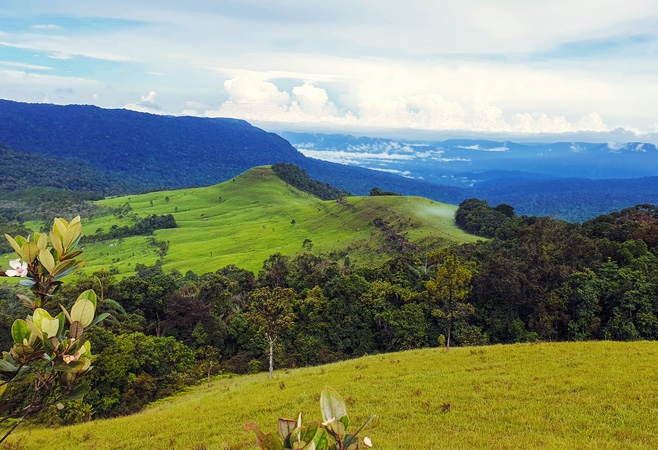 Phnom Aural Trek: Conquering Cambodia's Highest Peak
Ampe Phnom: Riverside Retreat and Cultural Site
The diverse things to do in Kampong Speu include visiting Ampe Phnom, a picturesque natural and cultural resort located approximately 48 kilometers from Phnom Penh in Tang Tonle Village and Ampe Phnom Village. This charming riverside destination features the Prek Thnoat River, walking paths through shaded groves, and a distinctive wobbly wood-and-cable suspension bridge connecting Tang Tonle Village to Ampe Phnom Village, creating one of the province's most Instagram-worthy attractions.
The site's main appeal lies in its natural swimming opportunities along the clear-flowing river, where locals and tourists alike enjoy refreshing dips during hot season months. The riverbanks feature numerous bamboo huts and cottages where visitors can relax while enjoying regional food specialties including fried chicken and whole catfish that have become synonymous with Ampe Phnom dining experiences. Many riverside food stalls sell these local delicacies at very reasonable prices, making Ampe Phnom popular for weekend family outings from Phnom Penh.
Atop a small hill beside the river sits an ancient pagoda that serves as an important worship place where Cambodians gather during traditional festivals including Khmer New Year, Pchum Ben, and Water Festival. The temple's elevated position provides excellent views of the surrounding countryside and river valley, making the climb worthwhile for both spiritual contemplation and photography opportunities.
Visitors should remain vigilant about belongings and food, as the surrounding forest hosts troops of monkeys who have learned that human visitors often carry snacks and may attempt quick raids on unattended items. These playful but bold primates add entertainment value to visits but require careful attention to prevent unwanted interactions or loss of personal property.
The combination of natural beauty, cultural significance, and family-friendly activities makes Ampe Phnom perfect for leisurely day trips where visitors can experience authentic provincial Cambodian recreation culture while enjoying outdoor activities in pleasant natural settings.
Agricultural Experiences and Palm Sugar Production
The authentic things to do in Kampong Speu include immersive agricultural experiences that provide insights into the province's renowned palm sugar and wine production. Kampong Speu has earned fame throughout Cambodia for producing the country's finest palm sugar, extracted from the sap of toddy palm trees (Borassus flabellifer) that dot the landscape and serve as Cambodia's national tree.
Traditional palm sugar production requires specialized skills passed down through families for generations. Climbers ascend towering palm trees twice daily – once before dawn and again in late afternoon – to collect sweet sap from cut flower stalks. The fresh sap tastes similar to coconut water with gentle sweetness and can be consumed immediately as a refreshing beverage, or boiled down over wood fires to create the distinctive palm sugar tablets and blocks used extensively in Khmer cuisine.
Visitors can observe the complete production process at rural villages throughout Kampong Speu, watching skilled climbers demonstrate their craft using simple rope equipment, then following the sap as families carefully boil it in large woks, stirring constantly while monitoring color and consistency changes that indicate when sugar reaches perfect states for molding into various forms. Tasting opportunities allow appreciation of palm sugar's complex caramel-like flavors that vary from light golden to deep amber depending on cooking duration.
Beyond palm sugar, Kampong Speu's fertile soil supports extensive rice cultivation and fruit production including starfruit (from which the province takes its name), making agricultural tourism an increasingly popular activity. Visitors can participate in seasonal rice planting and harvesting, learn about traditional farming techniques still widely practiced, and sample fresh tropical fruits straight from orchards, creating authentic connections with Cambodia's agricultural heritage and the families who sustain the nation's food security.
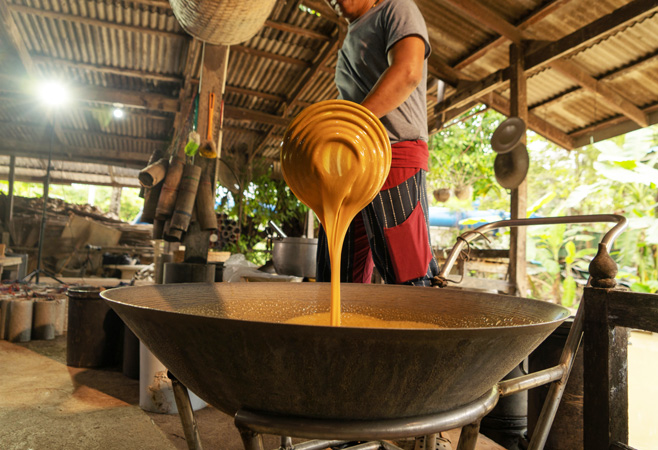 Agricultural Experiences and Palm Sugar Production
Te Teuk Pus Hot Spring: Geothermal Relaxation
Among the unique things to do in Kampong Speu, visiting Te Teuk Pus Hot Spring offers opportunities to experience one of Cambodia's rare natural geothermal features. Located in Phnom Te village, Sangke Sap commune, Oral district, approximately 60 kilometers west of the provincial town (around 126 kilometers from Phnom Penh), these hot springs occupy a five-hectare site surrounded by forests and distinctive red rock formations.
The hot spring complex features six separate sources where heated mineral water emerges from underground, creating a circular pool approximately 100 meters in diameter. The water temperature reaches approximately 80 degrees Celsius at the source but cools to more comfortable temperatures in designated bathing areas where visitors can soak while enjoying forest surroundings and breathing fresh mountain air.
The mineral-rich water, which carries distinctive sulfur or limestone scents, has long been valued by local communities for therapeutic properties believed to benefit various health conditions including skin problems, muscle aches, and joint pain. While scientific evidence supporting specific health claims remains limited, the relaxing experience of soaking in warm natural waters surrounded by pristine forest provides undeniable stress-relief benefits.
The hot spring site's remote location amid forested foothills near Mount Aural ensures peaceful atmospheres with minimal crowds except during weekends and Cambodian holidays when local families visit for recreational outings. The journey to reach Te Teuk Pus Hot Spring traverses beautiful countryside and mountain landscapes, making the drive itself a scenic adventure through less-traveled regions of Kampong Speu Province.
Planning Your Kampong Speu Adventure
Before exploring the wonderful things to do in Kampong Speu, proper planning ensures smooth, rewarding experiences. The province's proximity to Phnom Penh makes it easily accessible, with travel times approximately one hour to Kampong Speu town and 2-2.5 hours to Kirirom National Park by private vehicle or bus along well-maintained National Highway 4 toward Sihanoukville.
Numerous buses departing from Phnom Penh's central markets travel to Sihanoukville throughout the day, passing through Kampong Speu town and Kirirom National Park entrance areas, allowing budget travelers to reach the province for minimal cost. Passengers simply inform bus staff of their intended destination and pay proportional fares. Most buses operate from early morning through mid-afternoon, with fewer options after 4 PM.
Share taxis also serve the route from Phnom Penh's Charles de Gaulle area near Central Market, departing early mornings when passenger loads reach capacity. These vehicles provide faster, more comfortable alternatives to buses at moderately higher costs. For maximum flexibility and convenience, private taxi or vehicle hire allows customized itineraries visiting multiple sites throughout the province in single days.
The optimal visiting period extends from November through April during Cambodia's dry season when weather remains warm and stable with minimal rainfall. These months provide ideal conditions for trekking, camping, and outdoor activities, though Kirirom's waterfalls display reduced flow compared to rainy season volumes. The wet season from May through October brings heavier rainfall and lush green landscapes, with waterfalls reaching peak magnificence but trail conditions becoming more challenging.
To fully enjoy all the remarkable things to do in Kampong Speu, international visitors need valid Cambodian visas. For convenient and reliable visa processing, Cambodia Immigration Services provides comprehensive eVisa support services that simplify the application process for travelers worldwide. Their expert team assists with document preparation, provides real-time application updates, and ensures hassle-free entry into Cambodia for your Kampong Speu adventure and broader Cambodian explorations.
Accommodation options vary from basic guesthouses in Kampong Speu town at budget-friendly rates to comfortable resorts near Kirirom National Park offering modern amenities and recreational facilities. Chambok ecotourism program provides authentic homestay experiences where visitors sleep in local family homes, sharing meals and daily life with hosts who provide genuine insights into rural Cambodian culture.
For those ready to begin their Cambodian adventure exploring this spectacular mountain province, you can apply for a Cambodia visa online through a streamlined process that eliminates traditional visa application complexities and ensures quick processing times for your visit to Kampong Speu and beyond.
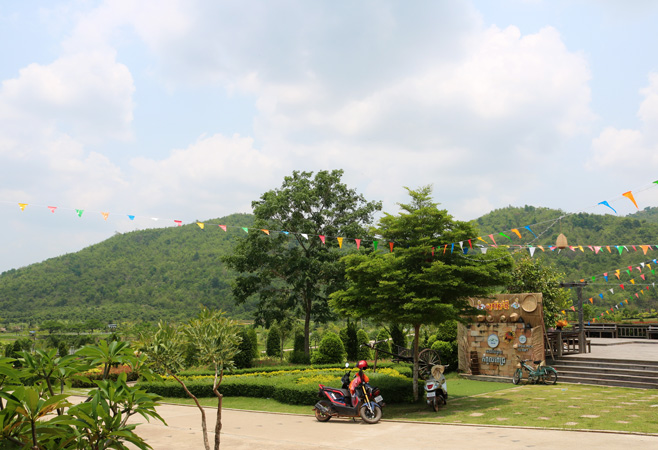 Planning Your Kampong Speu Adventure
Local Cuisine and Culinary Traditions
The culinary experiences among things to do in Kampong Speu reflect the province's agricultural abundance and distinctive local specialties. Regional dishes emphasize fresh river fish from the Prek Thnoat River and other waterways, prepared using traditional Khmer recipes that have sustained communities for generations. Fried chicken has become Kampong Speu's signature dish, prepared with distinctive seasoning and cooking techniques that create flavors recognized throughout Cambodia.
Whole catfish grilled or fried represents another provincial specialty, typically served with aromatic herbs, lime juice, and spicy dipping sauces that showcase Cambodian culinary sophistication. These river fish, caught fresh daily by local fishermen, provide protein-rich meals that taste remarkably different from ocean fish, with subtle earthy flavors reflecting their freshwater origins.
Palm sugar features prominently in Kampong Speu cuisine, adding distinctive sweetness to desserts, drinks, and even savory dishes where it balances spicy and sour flavors. Visitors can purchase authentic palm sugar directly from producers, ensuring quality and supporting families who maintain traditional production methods against competition from cheaper industrial sugars.
Kampong Speu's bustling market in the provincial capital offers authentic experiences where friendly vendors sell fresh produce, prepared foods, and regional products, including palm sugar, palm wine, and various handicrafts. The market's welcoming atmosphere and genuine smiles create pleasant shopping experiences where visitors can practice basic Khmer phrases while purchasing ingredients or ready-to-eat local specialties.
Restaurants near Kirirom National Park and tourist sites offer a mix of Cambodian and international cuisines, allowing visitors to sample local dishes while having familiar options available. However, the most authentic and memorable meals often come from small family-run food stalls in villages throughout the province, where simple preparations allow fresh ingredients to shine and prices remain remarkably affordable for budget-conscious travelers.
Oudong Mountain: Historical and Spiritual Significance
While technically located on Kampong Speu's border with Kandal Province, Oudong Mountain represents one of the significant things to do in the Kampong Speu region for travelers interested in Cambodian history and Buddhist culture. This former royal capital served as Cambodia's seat of power for over 250 years before the capital moved to Phnom Penh in 1866, leaving behind impressive Buddhist stupas and temple ruins that crown twin ridges.
The larger ridge, Phnom Preah Reach Throap (Hill of the Royal Fortune), features multiple stupas containing remains of Cambodian kings and important religious figures. The climb to the summit follows well-maintained staircases flanked by naga serpent balustrades, leading past several temple structures and viewpoints that provide stunning panoramas of the surrounding countryside, including rice paddies, villages, and the distant Tonle Sap River.
Oudong's historical significance makes it a popular pilgrimage destination for Cambodian Buddhists who come to pay respects at royal stupas and participate in religious ceremonies. International visitors gain insights into Cambodian monarchy history, Buddhist architectural traditions, and the spiritual devotion that continues shaping contemporary Khmer identity despite the nation's turbulent 20th-century experiences.
The site's proximity to both Phnom Penh and Kampong Speu makes it a convenient stopover when traveling between the capital and Kampong Speu Province, allowing visitors to combine historical exploration with natural adventures in a single day trip or longer journey through central Cambodia.
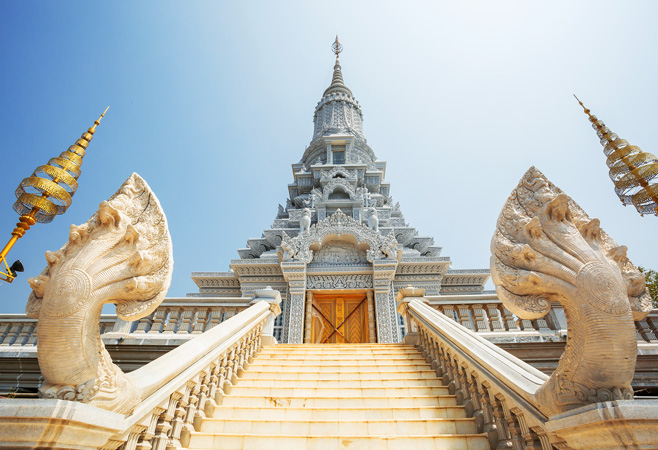 Oudong Mountain: Historical and Spiritual Significance
Conclusion: Discovering Authentic Cambodia in Kampong Speu
The extraordinary diversity of things to do in Kampong Speu ensures that every visitor discovers authentic Cambodian experiences combining natural beauty, cultural immersion, and meaningful contributions to sustainable development. From the cool pine forests of Kirirom National Park to the award-winning community ecotourism at Chambok, from challenging treks up Cambodia's highest peak to relaxing riverside afternoons at Ampe Phnom, this remarkable province offers a perfect balance between adventure and relaxation.
What distinguishes Kampong Speu from Cambodia's more touristed destinations is its genuine character and the meaningful ways visitors can engage with local communities while supporting conservation efforts. The things to do in Kampong Speu provide opportunities to witness successful sustainable tourism models where economic benefits directly support forest protection and community development, creating positive feedback loops that benefit both present populations and future generations.
Whether you're seeking mountain adventures, cultural exchanges with rural communities, opportunities to support grassroots conservation projects, or simply peaceful escapes from urban intensity into pristine natural environments, Kampong Speu delivers experiences that transform ordinary vacations into meaningful journeys of discovery and connection with Cambodia's authentic heart.
Start planning your Kampong Speu adventure today, and prepare to discover why discerning travelers increasingly recognize this accessible mountain province as an essential complement to Cambodia's famous temple complexes and beach destinations, finding here the natural wonders, genuine hospitality, and sustainable tourism practices that represent Cambodia's hopeful future.
Related Articles
- Getting Around Cambodia: A Guide to Transportation, Buses, Trains and Flights
- Is Cambodia Safe for Families? A Complete Family Travel Safety Guide
- Cambodia eSIM: Everything You Need to Know Before Your Trip
- Cambodia e-Arrival Card: Complete Information for Foreign Visitors

 NEED HELP 24/7
 United States
  United Kingdom
  Singapore
  Viber
Viber 


